Showing posts with label history. Show all posts

Friday, November 21, 2014

WILTIMS #217: The EKGs Strike Back

Today we revisited a topic we covered back in physiology: EKGs. I definitely don't remember everything involved, but it's nice that at least the concepts are familiar this time. I'll need to really master interpreting those squiggly lines this time though, because now we are not just looking at what a healthy heart looks like, but how each of the innumerable heart dysfunctions look from an electrical perspective.

One totally useless slide from lecture today was particularly interesting to me: a ye olde EKG machine, circa 1895. The patient sat with three limbs in buckets of salt solution (these were the equivalent of the little sticky paper/metal leads of today) while the electrocardiographer looked through a viewer so as to draw by hand a vague approximation of what the electrical signal was showing.


TIL: A bunch of slight differences in terminology:

Sinus tachycardia vs supraventricular tachycardia: Tachycardia is an elevated heart rate. A sinus rhythm is simply any rhythm where all the peaks are in the right places. A problem comes, however, if an otherwise sinus rhythm is just too fast; the beats are so close together that they overlap and you can't see all the peaks distinctly. Since you can't at that point say whether it is or is not a sinus rhythm, you have to call it something else: the deceptively vague "supraventricular" tachycardia (because, just like in sinus rhythm, the rhythm generating pacemaker is in the atrium, hence supra- (above) the ventricle). 

Atrial flutter vs atrial fibrillation: A flutter occurs when the atrium is beating too fast and the ventricle can't keep up, so it only beats every 3 atrial beats (sometimes 2, sometimes 4, but always consistent). Afib occurs when the atrium is essentially beating non-stop so that there isn't even a signal that the ventricles can go off of. The ventricle then tries its best to keep a rhythm, but fails at it, resulting in an erratic heartbeat.

Atrial vs junctional vs ventricular escape: The heart has three normal pacemakers: the SA node, in the atrium; the AV node, between the atria and ventricles; and a baseline rhythm by the ventricles. The SA node overrides the AV node and either node overrides the ventricular rhythm, so that usually, the whole heart goes off the SA node. If for whatever reason, the SA node fails to fire, other nearby atrial cells can pick up the slack and make a new rhythm (atrial escape). If the whole atrium is slacking, then the AV node will lead the way (junctional escape). Lastly, if something is horribly wrong and nothing above is giving it a signal, the ventricles will beat on their own (ventricular escape).

Monday, September 8, 2014

WILTIMS #180: Can I have that back, please?

Today was one of only a handful of days that I have left lecture over the past year due to the poor quality of the presentation. My high attendance rate is no small feat given that only around a third of our class attends pathology lectures and maybe a fifth attends microbiology. But by no means does that mean most of my colleagues are slacking off.

Actually, the ones not attending lecture are probably being far more productive. With the ability to play the audio from lecture at 1.5 or double speed, you can get far more done just waiting a day for the recording. Also, half of our topics this year are self-study, meaning that there is no lecture - we are simply expected to teach ourselves the material. And the topics that are lectured on are generally not covered at the level we will be expected to know things for our Step 1 board exam at the end of the year. So, when after leaving class this morning I joined some friends for a study group, we covered more and in more detail than the people we left behind.

"Why does anyone go to lecture at all then?" you might justifiably ask. Some just learn well by listening and would rather listen live. Others like to be able to ask questions of the professors. But I think the bulk of us do it out of habit. After all, why are we paying $50k a year to go to a school where we teach ourselves everything?

TIL At some point in the past I learned but was reminded of today and wanted to share with you because it's a really cool anecdote that: During WWII, penicillin was collected from soldiers' pee so that it could be recycled. The antibiotic was still relatively new and manufacturing couldn't keep up with the demand brought about by all the ailing GIs, so the military took advantage of physiology and penicillin's clearance to save countless more lives.

When penicillin is injected into the blood, it only makes one pass before being almost entirely cleared into the urine by the kidneys. Some of the drug does it's job during that pass and is absorbed and used by the body to kill off bacteria, but the vast majority is just peed out. If you collect the treated soldiers' pee and precipitate out the unused drug, you can very efficiently and sterilely recycle this lifesaving compound to save dozens more lives with the same amount of drug.

Wednesday, September 3, 2014

WILTIMS #176: Vaccines PLUS

Today we started off with a series of lectures on congenital and genetic diseases which, though informative, were not super big on interesting anecdotes. The last lecture was on vaccines and it was actually pretty cool to approach this topic now that I know a little more about the immune system. If you want my views on vaccine safety etc, please see my previous post on the subject, or any of the countless reputable online resources on the subject or [in pharma advertisement voice] talk to your doctor.

Cowpox on the hand of the milkmaid, Sarah Nelmes
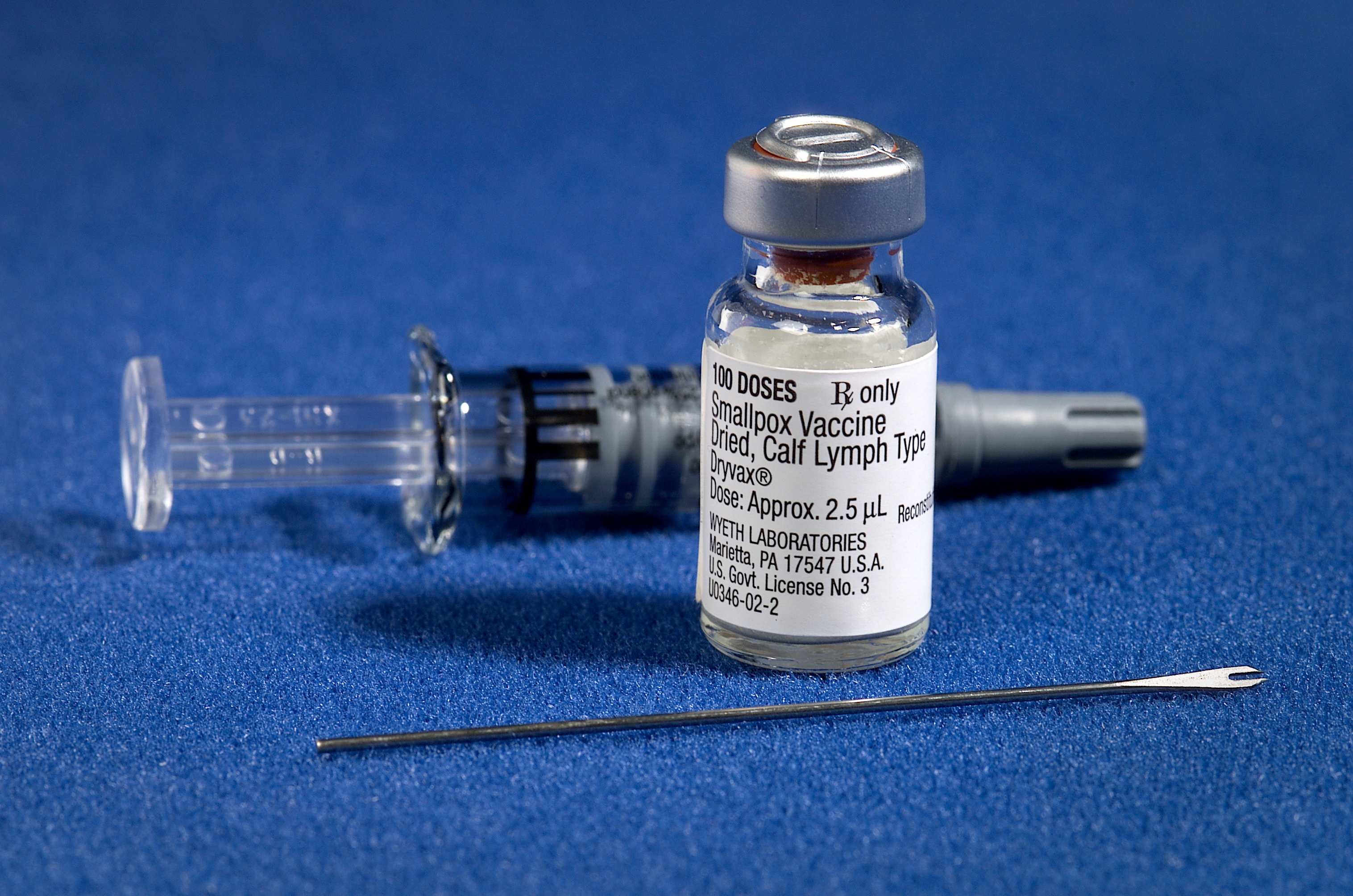
First a little set-up from things we learned last year: The most famous example of vaccine development is that of the smallpox vaccine in 1796 by Edward Jenner, with the help of an unconsenting minor, a milkmaid, and Blossom the cow. Jenner (and several other people at the time) noticed that milkmaids that had been exposed to cowpox (similar to smallpox but much less virulent in humans) had little to no reaction to exposure to smallpox. Being the good, if less-than-ethical scientist, Jenner needed to test that this exposure was key to their immunity, so he did the obvious thing and tested it on his gardener's 8 year old boy. After inoculating him with cowpox pus from a milkmaid (who was infected by Blossom), the boy was exposed to smallpox and thankfully never developed the disease.

TIL: The idea behind the cowpox-smallpox vaccine is that, since cowpox is similar to smallpox, but not very good at attacking humans, the immune system will easily combat the disease and store up weapons in the adaptive immune system that can attack either virus equally well in the future.

Attenuated vaccines use the same approach. Scientists take a nasty human pathogen and grow it in cells from another species, like monkeys. The virus/bacterium mutates over many generations until it is better at infecting monkey cells. Hopefully, these changes came at the price of the bug losing its virulence towards humans. This is the equivalent to turning smallpox into cowpox to give the immune system an easy practice target. Attenuated vaccines are generally not used with immunocompromised patients because in very rare cases, the patient can develop the full blown disease if a few of the mutated viruses/bacteria mutate back. This is not a problem with immunologically healthy people.

Adjuvants are another group of compounds about which you may have heard when talking about vaccines. These are substances are added to vaccines to get the immune system to treat your fake threat seriously. Since non-attenuated vaccines are usually composed of just a small piece of a surface protein of the targeted virus/bacterium, the immune system will recognize it as foreign and log it as a possible danger. But the immune system is also smart enough to look around and see that none of the other markers of an infection are present, so it will hold back its biggest weapons for more seemingly serious threats. So scientists add compounds that mimic (or are straight-up copies of) parts of other real threats to trigger a proper immune response that will give the vaccine material the welcome it deserves. These adjuvants often include an aluminum salt or some lipid-like organic molecule.

Thursday, April 24, 2014

WILTIMS #139: Hi, my name is Christopher and I have no idea what I'm doing...

Today was my first graded mock Objective Structured Clinical Examination (OSCE), and though less than ideally organised, it was actually a lot of fun! Part of the exam entails interviewing standardized patients. These incredibly experienced actors can portray a patient for both a history and physical exam. Today, we only did the history of present illness and a social/sexual history with these actors. We practiced physical exams on each other (presumably because we are too inexperienced to bother a standardized patient with our poorly aimed prodding).

The goal today was just to practice our communication skills in the setting of an actual fake medical exam room with an actual fake patient. It was nerveracking at first but went surprisingly well. The best part was debriefing with the actors not two minutes after they were so convincingly a totally different person. That I managed to comfortably talk to an actor about his fake chlamydia shows how far I've already come in the last year.

Unsurprising fact of the day: Coffee causes and relieves headaches, depending on the dosage.

TIL: Going to Wendy's is totally good for my medical education. Apparently a former student at my school went to the local Wendy's and discovered in the wall display about Dave, the founder of the burger chain, that he had a compensated fourth cranial nerve palsy. And he actually did!

The fourth cranial nerves (or trochlear nerves) control just one muscle in each eye. If one of these nerves fails, the corresponding eye will be rotated in the socket. To correct for this, a person with a fourth nerve palsy will cock their head slightly to level out the bad eye. The good eye can adjust to this angle, but you have to maintain your head in that position in order to avoid blurred vision.

Smoking is a potent comorbidity for brain aneurysms. Smoker aneurysms are more prevalent, they grow faster, they rupture more readily, and they do worse during surgery and recovery.

Projectile vomiting is not simply puke that travels in a parabolic arc. Projectile vomiting is usually caused by increased intracranial pressure and is characterized by being a surprise to both the patient and physician. There is no nausea and no retching - just sudden, explosive vomit.

Pituitary tumors can cause bitemporal hemianopsia (tunnel vision) and diplopia (double vision), by disrupting the second and third cranial nerves, respectively.

Saturday, March 22, 2014

WILTIMS #124: T-3 years until Match Day

As you may have seen on the internet or news, today was Match Day for fourth year medical students around the country. The Match is the almost dystopian system used to pair graduating medical students with hospitals for residency programs. The whole process is completed by a computer algorithm that finds the best fit between the 35,000 applicants and 30,000 positions based off of ranked lists submitted by both students and hospitals. If you read those numbers correctly, you'll note that not everyone matches, though 94% of US allopathic seniors do (international and osteopathic schools generally don't fare as well).

A week before Match Day, emails go out to all applicants telling them whether they matched and, if they did, not saying where. Then on Match Day, all the matched seniors across the country meet at their schools and, at the stroke of noon eastern time, simultaneously open envelopes that tell them where they will spend the next 3-7 years of their lives.

Here are a couple videos showing the typical level of excitement:


My first-year class had lecture from 9-noon, so we got out of class right after the fourth-years had opened their letters. It was really exciting. Everyone was hugging and laughing and sharing tears of joy. They don't graduate or become doctors for another few months but Match Day is the real finale of medical school - the culmination of 3½ years of hard work (not to mention the years before that working to just get in!).

3 more years!

TIL: The first hospitals were developed as a place to treat travelers or pilgrims who couldn't be treated at home. Hospital, hostel, and hotel as share the same root.

Medical school admissions interviews and photos were first implemented at the University of Michigan to screen out Jewish and black applicants who were not otherwise identifiable by name.

Myelomeningocele, also known as spina bifida overta (or just spina bifida to the general public), causes hydrocephalus in 80% of babies. Spina bifida is a condition where a portion of the lower spinal cord doesn't form correctly and leaks cerebral spinal fluid (CSF) into the open air. This is incredibly dangerous because if, left untreated, the child will develop fatal meningitis within days. But once the hole is surgically sealed, the CSF starts building up in the brain because the normal draining routes never formed. Excess CSF fluid is called hydrocephalus and it requires the surgical implantation of a shunt that connects the CSF cisterns of the brain to the peritoneal cavity of the abdomen, where the fluid is easily absorbed.

Type I Chiari malformation is when the cerebellar tonsils block the foramen magnum (the hole in the skull through with the spinal cord passes), blocking CSF circulation and pinching the brain stem.

Dandy-Walker syndrome results from a malformation cerebellum and enlargement of the fourth ventricle.

Alobar holoprosencephaly is an often fatal deformation of the brain where the two hemispheres never develop.

Tuesday, March 18, 2014

WILTIMS #120: They did what now?

A page from "The Anatomical Basis of
Medical Practice" (red added by me)
One of the fun quirks of the neuro block is that we get frequent guest lectures by neurosurgeons. This is a rarefied group of lecturers than solicit the attention of medical students faster than a drill sergeant at basic training. They are psychotically confident, they always have the most ridiculous videos, and they only present the positive-outcome cases so they seem like heroes. That said, after watching them in the neurosurgery conferences a few times, I think being half an auditorium away is probably the best distance.

TIL: An anatomy book was released in 1971 that used Playboy-style pictures of women to show surface anatomy. It was so offensive that I honestly could have believed that our chancellor was just messing with us. The authors were doctors at Duke that wanted to make anatomy more approachable... and since most med students at the time were men they thought misogynistic writing and salacious pictures would be an improvement. Thankfully it did not get a second printing.

Friday, March 14, 2014

WILTIMS #119: Penny for your thoughts

TIL: Stereognosis is the ability to perceive a three dimensional object by touch, without the aid of the other senses.

Postage stamps in England do not specify what country they are from. This may seem like an unusual fact to pick up in medical school but, as usual for our history of medicine lectures, it was in service of a larger and more pertinent point. The topic of stamps came up while examining a stampless letter from 1840s Mississippi. The letter was a bill for services done by a doctor for the property of a plantation owner.

Our chancellor has taken pains to avoid teaching only the history of the white male heroes of medicine. Some of this profession's history is less heroic than we'd like to remember, and we should try to learn from the failings of our past to minimize their inevitable repetition in the future. The example at hand was of the role doctors played in the slave trade and slavery in the American South. It is an example of the phrase made famous by Hannah Arendt when describing lower level Nazi administrators: the banality of evil. The majority of evil done in the world is not done by sociopathic masterminds, but by normal people just doing their job and perpetuating the status quo.

But what can a doctor do to protest? We have (or will have) taken an oath to treat the sick. To refuse to work for slaveholders is to damn the slaves to pain and death, but keeping the slaves healthy allows the system to continue. How is this relevant to us today? Doctors stand on the sidelines of every football game, giving players and fans a sense of security that everyone will be ok, because there are medical staff around. But studies keep showing that football does irreparable damage to nearly everyone who plays. Is the medical profession allowing an unethically dangerous activity to go on out of tradition?*

I welcome your thoughts! Feel free to comment below.

*I have a rebuttal to the argument that football is a choice, but don't feel like getting into it tonight, but comment and I will.

Tuesday, March 11, 2014

WILTIMS #115: The triumphant return

Against all odds, I have survived the second block of medical school! Whereas that block was supposed to be the hardest of first year, this next one is supposed to contain the hardest individual class: neuroscience. Fear for my worn out brain aside, I'm excited to get back into the anatomy lab to look at some other brains.

TIL: For hundreds of years, medical students had to rob graves in order to have bodies to dissect. They were called resurrectionists and would go out on - I kid you not - dark and stormy nights in the fall when the ground is still moist and easier to dig. Creepy Halloween story much? Kids were even warned about the "night doctor" who would snatch them off the street to dissect them if they weren't home on time.

In 1788, medical students from Columbia were confronted by an angry mob for dissecting a white woman. The color and gender is important, because no one had a problem with people dissecting black slaves or white male murderers. The governor called in the local militia to protect the anatomists but they wouldn't fight their fellow New Yorkers, so the upstate militia was called in. This was the first major riot in the fledgling United States.

The oldest medical building in the US at the University at Maryland and is built like a labyrinth to keep riot mobs from easily finding the anatomy lab.

In 1989, the University of Georgia started renovating its old medical school building and had to have the anthropology department excavate the bones of dozens of stolen dissection bodies from the dirt floor of the basement.

The Wellcome Museum of Anatomy and Pathology in London is only open to physicians and medical students (and other allied health professionals).

Wednesday, February 19, 2014

WILTIMS #108: It's a kittycholamine!

Meow?
Catecholamines, a class of molecules that includes dopamine and epinephrine, apparently look a lot like a cat to my biochemistry professor. Her drawing from lecture is on the right. It has hydroxyl ears, an amino tail, and electron eyes and whiskers. I didn't see it at first, but now I won't forget their structure anytime soon.

In other news, I touched a 350 year old book today. It was a medical manuscript by Dr. Thomas Willis, after whom the Circle of Willis in brain circulation is named. I actually touched the page with the first image of the aforementioned circle. This is the same book that coined the term neurology. #geekingout

Willis' Cerebri anatome from 1664
TIL: You can decrease hormonal release from the anterior pituitary by adding the unwanted hormones. The anterior pituitary and hypothalamus are part of a portal circulation system, meaning it has two capillary beds in series. This peculiar arrangement is used to monitor and reabsorb any hormones released by the second bed as they arrive back at the first bed. By adding an unwanted hormone upstream, you trick the brain into thinking that it's secreting too much, so it absorbs what it can of the hormone and down-regulates its production.

Kisspeptin is a protein, specifically a G-protein coupled receptor ligand, named for Hershey's Kisses. The molecule was identified at the Penn State College of Medicine, which was established through a grant from Milton Hershey, the founder of the candy company, and is located in Hershey, PA. 

Growth hormone (GH) only affects the last third of adult stature. Put another way, the first 4 feet of a six foot person's growth are due to influences independent of GH. A lack of GH causes pituitary dwarfism (giving a height of about 4ft or ⅔ of 6ft) while an excess can cause gigantism (causing up to a ⅓ increase to 8ft).

George Washington's face, though rarely portrayed as such in paintings, was noticeably scarred by smallpox which he contracted as a young man. When he became commander of the revolutionary forces, he required that the entire continental army be vaccinated, resulting in the lowest infection casualty rate of any army in the world at the time.

John Snow memorial
at the former site of
the Broad Street Pump 
John Snow is not just an ignorant member of the Night's Watch, but one of history's most famous epidemiologists. He was a physician in England who stopped a cholera epidemic by identifying one specific contaminated water source, the now infamous Broad Street pump. At the time it was completely unknown how cholera was spread. He discovered that sewage was contaminating the pump's water source, the River Thames, just upstream of the pumps intake. When they capped the pump, the outbreak immediately ended.

Snow was also famous for popularizing anesthesia. He used calculated doses of chloroform and ether on Queen Victoria for the births of her youngest children, giving the practice unprecedented visibility.

And lastly, Gray's Anatomy (not to be confused with Grey's Anatomy) was pirated by publishers in the United States from its source material in Britain for nearly 50 years, from 1859 to 1908. By the way, just try typing "pirated gray's anatomy" into Google and getting anything related to medical literature. Not easy to research this one.

Wednesday, February 12, 2014

WILTIMS #105: What the floc?

One more thing from yesterday's history bonanza: part of the reason that both ancient and Renaissance European physicians are so much better known than their middle-eastern counterparts from the Golden Age of Islam (aka. Europe's "Dark Ages") is that the latter had no anatomical art. The Islamic tradition of aniconism, forbidding the depiction of the human form, extended all the way to to medical anatomy. Thus, though Islamic physicians such as Rhazes and Avicenna made huge strides in diagnosis and the clinical exam, they had a harder time passing-on their anatomic discoveries.

TIL: One of my professors casually dropped the word "flocculation" into a discussion today and I half-thought he just made it up. Alas, apparently it was incredibly apt. Flocculation is the process of colloids (suspended microscopic particles (in this case clotting factors on the blood)) precipitate out of solution.

After about 20 hours of fasting or 20 miles into a marathon, you hit "the wall." Physiologically, this is when your body runs out of its glycogen stores. The body has several types of energy to burn, including glucose, glycogen, fatty acids, and proteins. It uses these differently in different tissues and prefers some stores over others.

Free glucose is used first and is burned within a few hours. As glucose is depleted the body turns to glycogen (a high-density polymer of glucose) to take up the task. If all of the glycogen store is used, your body is -and this is a technical phrase- not happy. Now it has to make glucose from fatty acids, which isn't very efficient, or from amino acids, which requires the breakdown of protein. Not happy.

Tuesday, February 11, 2014

WILTIMS #104: On the shoulders (and hearts) of giants

Today was a history heavy day, even in classes not entitled History of Medicine.

One of the stories we discussed was of William Blalock, Helen Taussig and Vivien Thomas, the trio credited for pioneering one of the first major cardiac surgeries, effectively curing blue baby syndrome. One of the most amazing aspects of this collaboration was the diversity of the three people involved, especially for the year of 1948. Blalock was the esteemed chief of surgery at Johns Hopkins, Taussig was a renowned female physician and master clinician, and Thomas was a high school educated lab technician working under Blalock.

Dr. Taussig approached Dr. Blalock with a theory of the cause of and a potential surgical intervention for the very common blue baby syndrome, a condition where the lungs can't get enough blood flow from the pulmonary artery. Blalock and Thomas devise a way to divert blood from the aorta back to the lungs. Thomas masters the surgery on over 200 dogs and guides Blalock though the first surgery on a child. The story is told very well in the 2004 HBO film Something the Lord Made; watch the trailer below:


TIL: Vitamin K is named for the German word for blood clotting, koagulation. It is used to modify clotting factors in the blood and vitamin K deficiency can cause bleeding disorders.

I actually already knew this one but it's too fun not to share. The term "limey" as a name for a British man originates as a derogatory term for ye olde British sailors. When shipping companies learned that citrus (containing vitamin C) could completely eradicate scurvy (vitamin C deficiency), they supplemented sailors' diets with concentrated lime juice.

Galen was the greatest physician of the Roman empire. He moved from Greece to Italy and was appointed to the prestigious position of physician to the gladiators, a great way to learn anatomy and surgery. His observations reworked beliefs of the ancient Greeks and defined medicine for over 1400 years, even longer than Hippocrates, the father of medicine. The Galenic tradition was a vast improvement over humoral theories but was still a ways from correct. For instance, until the 16th century it was thought that food was digested by the liver which produced blood that was consumed by the heart.

Rhazes, an Islamic physician in the 9th century, was the father of pediatrics.

Avicenna, probably the most influential physician between Galen and the European Renaissance was ridiculously smart. At the age of 10, he had memorized the Koran; at 15 he had intellectually outgrown every tutor that could be found to teach him. He was so skilled that he famously offered the following treatment to a wealthy patron: marry the girl. While taking the man's pulse and talking with him about various subjects, he noticed a quickened pulse when talking of a certain woman. Avicenna was a prolific author and wrote The Canon of Medicine a prolific work that recalled and expanded upon the traditions of both Hippocrates and Galen.

The University of Padua, founded in 1222, was the major university for Venice. It was located inland from Venice which provided both literal and figurative distance from the Church. This fostered free thought which produced great scientists such as Galileo and Copernicus, and the pioneers of modern anatomy, Vesalius and Harvey.

Heart regeneration was proved by doing autopsies on men who had received a heart transplant from a female donor. The genetically XX cells from the donor heart had disappeared and been replaced by XY cells from the recipient.

Wednesday, February 5, 2014

WILTIMS #101: The Catholic consult

The snow day yesterday delayed our return to classes, but things were in full swing today. Biochemistry has become nitro-centric with protein catabolism and the uric acid cycle. Meanwhile physiology has turned its gaze from the heart to the kidneys. Lastly, we started History of Medicine as taught by our well-spoken chancellor.

After classes had ended I attended a guest talk by an ethicist and physician, Dr. Barron Lerner, on the changes in medical ethics from the times of his father, who was also a physician, to his own contemporary views. The takeaway was that medicine used to be far more paternalistic, with doctors making decisions on behalf of patients without ever necessarily consulting the patients themselves.

One dramatic example made my classmates and me question whether our current legal and moral framework is truly the best. An ailing woman who was terminally ill and had expressed a desire to discontinue treatment suddenly coded (cardiac arrest). She had not signed a DNR (do not resuscitate) form so the hospital staff went to call the code team, as they are required to do by policy and law. The speaker's father yelled for them to stop, saying that this was wrong and that the moral thing to do was to let the woman die with dignity. The staff called the code anyway and when the team arrived, the speaker's father literally laid his body across her chest to prevent them from doing CPR, and the woman died. Today, such an action would likely result in a lawsuit and/or sanctioning by the hospital. But was it truly wrong? I don't know.

A less serious anecdote was told of an old woman who needed an invasive surgery but wouldn't consent to being operated upon. The speaker's father explained thoroughly explained the need and brought in several other preeminent physicians to do the same. Finally he asked if another doctor from another institution could come take a look. The woman assented but still adamantly refuse surgery. The other doctor was devoutly Catholic. After he recommended the surgery and the woman refused again, the doctor accepted this and then asked the woman if he could pray for her. She was taken aback but said yes. The doctor proceeded to take out his rosary and make a show of his elaborate desperate prayer. The woman had surgery the
following day.

TIL: Hippocratic medicine was founded on the principles of the four humors, which though not correct, was the first time disease was attributed to natural causes rather than deities and treatment to physical action by physicians as opposed to intervention by said deities. The Hippocratic age was also the origin of the technique of taking a history and physical, as well as keeping a medical record for empirical research about the efficacy of treatments.

Saturday, December 14, 2013

WILTIMS #84: Mito-what?

...two freshmen high schoolers in a junior year biology class did a genetic disease report on a strange and very rare set of diseases called mitochondrial disorders. They did research using resources to which few had access because one of the kids' families was affected by this disease. Whereas his friend had always wanted to be a doctor, the kid wouldn't decide to go into medicine for several years. Little did he know that one day he would be writing in third person at medical school.

Mitochondrial diseases didn't get me interested in medicine per se, but they did turn me on to biology and set me down this path. In the years since I first investigated their peculiarities, my understanding has grown alongside that of the biomedical community. It turns out mitochondrial diseases aren't as rare as we once thought, and may still be greatly underestimated due to the difficulty that comes with diagnosing them. That's why it was so exciting that our school invited a guest lecturer to give an hour and a half long talk on mitochondrial genetics and diseases. Now 200 soon to be doctors will think of mitochondrial diseases a bit sooner in their differential diagnoses.

TIL: Azidothymidine (AZT) was the first approved HIV medication and along with other drugs that work by the same mechanism, it has the side effect of causing transient mitochondrial diseases. AZT targets the DNA reverse transcriptase of the HIV, disrupting viral replication.

Though it does not affect the nuclear replication machinery, AZT has an extremely high affinity to the DNA polymerase utilized my mitochondria. Patients thus develop all the symptoms of mitochondrial dysfunction (such as myopathy and lactic acidosis) while having this life-saving drug administered. If the side effects are severe enough, the patient may be taken off the drug, resulting in rapid recovery of mitochondrial DNA expression.

Tuesday, October 8, 2013

WILTIMS #44: Embroidery saves the day?

Last night I hosted an applicant to our medical school who had an interview today. The whole experience just reminded me how happy I am to be past that stage - a needed reminder with another test looming.

My day started out with some Nobel Prize trivia following the announcement of this year's Prize in Medicine/Physiology (for vesicular cell trafficking incidentally). Our anatomy professor told us the complicated tale of Alexis Carrel, 1912 Nobel Laureate in Medicine. Carrel pioneered the first vascular repairs (sewing back together torn blood vessels), in part using the technique of embroiderers from the Lyon area of France.

The problem with suturing blood vessels up to that point was that the standard technique called for clamping off both sides of the vessel and then trying to stitch first the top and then the bottom of the now flattened vessels walls. The reason this didn't work is that vessel walls are incredibly thin and fragile. The clamps irrevocably damaged the tissue and the surgeons couldn't suture one side without nicking the other, causing even more damage. The answer came in the form of the triangulation stitch, a method borrowed from sewers (as in one that sews, not one that collects feces) of fine silk tubes. They would use three small stitches placed equidistant around the tube to pull the tube taut, forming three flat sew-able surfaces that, when relaxed, formed a complete circle.

This technique made many now common surgeries and the entire field of transplantation possible, saving countless live. So why did I sale Carrel's story was complicated? His best friend was Charles Lindbergh, the famous aviator and later Nazi sympathizer. Together they invented the first perfusion pump, the precursor to the artificial heart, again saving untold lives. However, they were both outspoken supporters of eugenics and Carrel later moved back to France during the German occupation of WWII to work in high level scientific positions in the Vichy government. Thus, these were men with murky legacies, to say the least.

TIL: A good way to find reflexes on a seemingly reflex-less patient is to ask them to lock their hands and pull against their own strength as hard as they can. While the patient is distracted, you can whack them with the hammer with renewed success.

Friday, August 2, 2013

WILTIMS #5: NYHS AIDS exhibit

Today we took a field trip (on far too little sleep) to the New York Historical Society in Manhattan, to visit an exhibit on the first five years of AIDS in New York. After a private, hour long introduction by the curator of the exhibit, we were guided through the displays by about ten of our medical faculty. They both explained the significance of part of the exhibit and told  personal stories about their first encounters with AIDS.

Each doctor's experience had made a lasting impression. One ran a birthing clinic in Africa that in 1972 had made great strides in improving child survival rates, only to be closed by 1974 when all of the 100+ babies born were born with and shortly died from undiagnosed AIDS.

Another talked about the total lack of universal precautions for the health prescribers (the concept didn't exist until the AIDS crisis) and yet out of irrational fear, the patient was wearing a full gown, mask and goggles, while she wasn't wearing gloves.

My favorite story was from the Chancellor, whose first experience was from his residency training at Harvard. While walking through a lab, he came across three eminent physician researchers looking at a slide under a microscope. As he approached he heard them mutter things like, “Hmmm, it's not good," and, "Quite ugly." Upon hearing the resident approach, they turn and tell him to look into the 'scope and ask him what he thinks. And like any sensible person would do, he says, “Oh, doesn't look good."

He inquired about what he had just seen to find that this was “that new thing from San Francisco." At the time, in 1981, the disease was neither identified nor named.

TIL: When George Washington was being vetted for the first presidency, he was criticised as a choice because the old lesions on his face from a childhood bout of small pox. Detractors said that he would never be embraced as a leader because of the stigma of his blemishes. At the time it was literally true - no one shook his hand.