Showing posts with label physiology. Show all posts

Tuesday, May 31, 2016

WILTIMS #483-7: Nephrology - Part II

This is part II of my rapid-fire catch-up series. Click here to read "Nephrology - Part I" which was posted only an hour before this post.

One of the things that I find endearing about nephrology is that when you work in a hospital, you already know most of your inpatients very well. That's because one of the biggest predisposing factors for acute kidney injury is chronic kidney injury. Dialysis patients are always a knife's edge (or 2-3 days without a dialysis treatment) away from the emergency room. If your kidneys are totally non-functional then you need dialysis at least 3 days a week. If you miss an appointment, the toxins that the kidneys (or dialysis machine) should filter from the blood can cause all manner of dangerous side effects very quickly. When these patients show up in the ER, though, it's not like a typical consult for the nephrology doctor. You've seen these patients 3 times a week for months, years, or even decades.

My final thoughts on nephrology are similar to my thoughts on pulmonology: working with just one organ system is incredibly frustrating. In pulmonology, we often started reading up on a patient not by reading the history and physical, but by looking for a chest x-ray or CT scan. All we cared about was the lungs. We once had a family ask about the patient's brain tumors and we honestly didn't know they were being treated for that; all we cared about was their pneumonia. In nephrology, we were very big on the blood tests. If a patient we'd followed for several days didn't have blood work ordered by the primary team, we might not even bother seeing the patient that day.

I don't want to work in a field that can clear a patient "from the [insert organ here] perspective." How is the patient? Well she's fine from a kidney perspective (but I think I saw a note that her leg needs to be amputated and the septic blood infection from her UTI is life-threatening). I'd much rather be in charge of the whole picture and ask other colleagues to comment on their particular organs. But that's just me.

MIL: If a patient has any amputation due to diabetes, they have a 48% chance of having another amputation within 3 years.1

TuIL: If you google the acronym "MMF," the definition offered by urban dictionary is not medical meaning of mycophenolate mofetil, a immunosuppressant enzyme inhibitor used to prevent transplant rejection.

WIL: The maximum renal clearance in a healthy young adult male is estimated at 180 liters per day.

ThIL: Dialysis disequilibrium syndrome is an increasingly rare reaction to the abrupt change in blood contents after a patient first has a dialysis session. It's normally seen hours after the dialysis session starts, once the blood is mostly clean.

from http://kidneystones.uchicago.edu/
"Dialysis reaction" is a reaction of the blood to the membrane used in older model dialysis filters. Compared to disequilibrium reactions above, these dialysis reactions happen almost immediately after beginning the dialysis session.

FIL: Medullary sponge kidney is a congenital disease of the kidneys where the kidneys look like - you guessed it! - sponges. These porous, cystically dilated kidneys usually cause very few, if any, symptoms. The only problem that sometimes arises around middle-age is that the kidneys repeatedly form large stones that can cause obstruction of the ureter and damage the kidney. If it's not caught quickly, the affected kidney can fail entirely and, given the mildly debilitated other kidney, cause the patient to need periodic dialysis.

Sunday, March 1, 2015

WILTIMS #261-5: Renal wrap-up with a side of death and vodka

Another week, another pre-exam post! This was a tiny block of material compared to the last couple, but boy have the kidneys made up for it with complexity. And just to make things more interesting, we also threw autoimmune/connective tissue diseases into the mix. The upshot of those is lupus can cause anything. There. See? Now you know as much as I do! erm... I mean, I totally know more stuff grumbleantiDSgrumblerheumaticgrumbleSmithgrumbleSjogren's...

Anyways, here's a thingy I made for brushing up on the basics of renal physiology and pharmacology:

Click to enlarge
Simple right!? In all honesty, even though it's super complicated, I love learning about the kidneys. They do incredibly important things with an efficiency and precision that's astounding. Of course they also like to freak out and kill you when they get confused, but that's fun too, in its way.
Heart: Ugh, I just can't do it! I can't take any more blood pressure...
Kidneys: What's that Heart? More blood pressure? We've got your back!
Heart: What? No! I'm already exhausted why would I want more blood pressure!?
Kidneys: Even, more!? Wow!
Heart: NOOO!
Kidneys: WE'RE HELPING!
MondayIL: The title coroner originally meant a representative of the King (hence the corona root) whose job was to make sure a person was truly dead, because at death all debts return to the crown. Being "dead" was a great way to dodge your debt.

One of the few interesting things to come out of an optional talk I went to this evening was a great analogy about the murkiness of defining death: defining death is like defining blindness. You can be legally blind while still being able to perceive light. The point of the definition is that beyond some threshold, one's eyes are no longer able to do that which gives them purpose. Similarly, you can be legally dead without having lost all of your bodily functions. But is a beating heart or breathing lungs lying on a bed really a person by any meaningful definition?

TuesdayIL: Autosomal dominant polycystic kidney disease makes for some HUGE kidneys. Today was a gross specimen review and there was one set of kidneys that we jokingly said we would have believed was a brain or lung, had it been labeled so.

WednesdayIL: If you try to poison someone with ethylene glycol (antifreeze) you'll get caught on autopsy when they find calcium oxalate crystals in the kidney. Oxalic acid is one of the breakdown products of antifreeze and, while the poison's trying to kill you, the kidneys try to filter it. As the urine gets more concentrated with the oxalate, it forms very specific kidney stones which, you'll remember from the other day, look like letter envelopes. Counteracting this type of poisoning is also one of the few instances where giving IV ethanol (yep, think the world's purest vodka straight into your veins) is an acceptable treatment. The alcohol blocks the enzyme that breaks ethylene glycol down into its poisonous byproducts, giving the body more time to filter all of these chemicals out of the blood. So if you're poisoned, the drinks are on us!

Thursday I Learned: that I do, in fact, know some things! Today was another four-month checkup with my oncologist. (All is well, by the way.) While I was there, the doctor was interrupted by a nurse, who was asking what the reason was for admitting another patient to the hospital. "Her hemoglobin is 5..." he said, a little incredulously, before rewording it in a way that a hospital would approve of. As he turned back to me, he saw my eyebrow-raised expression, and chuckled. "You know how bad that is now, don't you?"

It's the little things that remind me that I am actually making progress.

Friday: Today we had a small-group case study that was based on a tragic real-life case of deadly misdiagnosis. That sounds rather depressing, but because we are highlighting it, 200 soon to be doctors won't ever make that same error. Mistakes happen all the time in medicine; we're only human. But we can honor the people we harm, by learning and teaching about the mistakes we make.

The mistake in question: A slightly elevated creatinine level on a petite female is indicative of much worse renal/urinary problems than a simple UTI.

FridayIL: How to sign "Where does it hurt?"

http://www.lifeprint.com/

Wednesday, February 26, 2014

WILTIMS #113: Let talk about...

Yay sex! Not gonna lie; it was an interesting day. I can't tell if everyone is actually getting more mature or if we've just gotten better at holding back the giggles. Maybe that's all maturity is.

TIL: Sperm are not transported to the site of fertilization by their own means (e.g. their flagellate tail). An inert particle placed at the vaginal opening of the cervix will get to the site of fertilization just as fast as a sperm. The tail is used for smaller distances like getting to the egg once in the general vicinity and for penetrating the egg's membranous defenses.

Calcium intake has to be closely watched during pregnancy. If the mother cannot provide enough calcium from the diet, her body with start breaking down bone to fill the gap.

The placenta is very cancer-like. It grows rapidly, produces hormones in proportion to its own size, and is autologous (unresponsive to all normal feedback loops). It is only stopped by being removed during parturition (the time leading up to and including labor and delivery).

So to recap, pregnancy is like growing a parasite within a bubble of cancer inside your body. Yay!

Physiologists are terrible at drawing breasts. The lactating breast is like a bunch of grapes still connected to the stem. The stems are the lactiferous sinuses and ducts that branch out from the opening of the nipple. The grapes are alveoli that secrete milk and, upon manual stimulation of the areola*, can pump milk into the ducts in preparation for lactation. Suckling by the infant causes the release of the hormone oxytocin which feeds back to the alveoli causing contraction and release of milk. If the baby is not switched between the breasts when feeding, the unused breast can eventually begin leaking milk from over-stimulation by oxytocin.

Babies do not suck milk out of the breast. The ducts have very weak walls that would instantly collapse if placed under negative pressure. Instead a baby pinches the nipple in its mouth and rhythmically squeezes the breast tissue, quite literally milking it. There is probably some sucking going on, but that's not the principle means of excretion.

For some humor on the topic of maturity and breasts, enjoy this song by Tim Minchin (contains some explicit and inappropriate language):
                                                                                                                        

*I had thought that areolus was the singular, but in fact areola is the singular and areolæ is the plural. Learned all sort of things today!

Saturday, February 22, 2014

WILTIMS #111: Conflict of disinterest

Last night, or in the wee hours of this morning, there was an interesting debate going on in the private Facebook group for first years at my medical school. A student club had just been posting about their campaign to educate our class about the rampant conflict of interest in the medical field, specifically from physicians who receive compensation from drug companies. Fitting perfectly into their narrative, some overly prepared student looking over the upcoming lectures for today noticed that one of our lecturers not only had a slide announcing a conflict of interest, but seemed to have used an entire presentation put together by a pharmaceutical company.


The 1AM hubub was considerable because we had, up until today, never had any presentation that wasn't, with admittedly varied degrees of success, directly put together by one of our professors. How is it that we were already being brainwashed by Big Pharma when we weren't even through our first year of medical school? Why are we paying tuition for a presentation paid for by industry?

When the lecture finally started, no one actually cared about the topic of presentation because we all just wanted to see if the lecturer was the Pharma stooge we had painted him to be that morning. Turns out the presentation was 90% super dry background slides about the physiological basis for the disease process and then a couple case studies of patients that had successfully been treated with the drug. He did a pretty good job of pointing out that the drug in question isn't always right for every patient, though since this topic was his primary area of research, he was solidly in favor of treatment when indicated.

The presenter did seem arrogant and kinda sleazy, but we all agreed it wasn't because of the presentation - that was just him. And like every other presenter we've had, he thought very highly of his own research. Am I glad he had to disclose his conflict of interest? Of course. But am upset that he used a slideshow put together by a drug company that was paying him? Meh. It just showed that he was too lazy to make one himself. I am proud that my classmates and I are involved enough in our own education to have this discussion.

TIL: Artificial growth hormone replacement works really well, sometimes. World renowned endocrinologists can be unpleasant people. All the money in the world still can't buy an interesting presentation.

Thursday, February 20, 2014

WILTIMS #109: T4: Judgement Day

Medical euphemisms are interesting. Today we were discussing hypothyroidism, which when left untreated causes physical and mental symptoms that were once referred to as cretinism. This is where we get the word cretin. Well, that's actually tricky because the term vastly predates our understanding of the illness, so in a way the disease was named for the people described by the word. Like spastic, crippled, moron, and many other terms, cretinism was once perfectly acceptable but has become politically incorrect.

The word retarded is particularly interesting because it has a very literal meaning that is still used extensively in medicine, among other places. Retard simply means to slow, e.g. fire retardant slows the spread of a fire. So to say that a child is mentally retarded literally means that their mental faculties are developing slowly. This has become taboo to say outside of a strict medical setting, so we've had to come up with new euphemisms like developmentally delayed. It still means the same thing but hasn't been used as a derogatory slur... yet.

TIL: Competency is a legal distinction determined by a court. Capacity is a medical distinction determined by medical professionals. The latter can be used as evidence of the former. In every other way these two words are synonymous in regards to medical ethics.

T4 - Note the 4 iodine atoms
Thyroid hormone comes in two active flavors, T3 and T4, which differ only by the number of iodine atoms bound to the molecule. T3 is the more active of the two but T4 is both more prominent in the circulating blood and the preferred hormone given orally for thyroid replacement therapy. This is the case because T4 has a half-life of about a week, compared to T3's paltry 1 day. This increased retention allows thyroid hormone levels to remain more constant.

This related tidbit was something I learned while volunteering at a cancer screening clinic last year. The iodine used in the synthesis of thyroid hormone is actually the reason we make and consume iodized salt. The thyroid is the only organ that uses this trace but essential nutrient. This provides a surprisingly easy target for treating thyroid cancers. By injecting radioactive iodine, you can use the body's own natural pathways to target the radiation directly to the thyroid.


Thursday, February 13, 2014

WILTIMS #106: Maximally confusing hormonal responses

TIL: Changing the number of hormone receptors on a membrane does not change the maximum response of the cell to hormonal stimulation, but it does change the sensitivity. If, however you change the affinity of the receptors to the hormone, then sensitivity remains constant as the maximum response changes. This is not the most intuitive concept, so here's an example to help explain it:

Say you have a membrane just filled to the brim with receptors. If you have another membrane with fewer receptors it will take more hormone for the second membrane to induce the same response. For either membrane, if you add infinite amounts of hormone you will still produce a maximal response, the second membrane just takes more hormone before it reaches that level (see graph 1 below). In other words, membrane #2 is less sensitive to the hormone.


If you instead have two membranes with the same number of receptors but one has a slightly defective version of the receptor*, that second membrane will not be able to reach the same maximum response as the first regardless of how much hormone you throw at it (graph #2 above). Membrane #2 is still equally sensitive to the hormone, it just can't do as much with the same signal. The new maximum rate will be reached just as fast and with the same amount of hormone, it will simply be lower. Thus the sensitivity has not changed, as represented by ED50 above. ED50 is shorthand for the effective dose to bind 50% of the membrane hormone receptors.

Still confused? Me too. If I find a better way to explain this, I'll come back to it... but don't hold your breath!

*This scenario also works if, instead of damaging the receptors, the number of receptors is reduced to a level so low that it cannot properly trigger the maximal cellular response.

Saturday, February 8, 2014

WILTIMS #103: Stars, wings and licorice

TIL: The prefix "sidero-" is confusing. In Latin it relates to the stars, as in sidereal time (telling time by the stars). But in Ancient Greek it means iron, as in sideromancy (divination by watching the burning of straw dropped on red-hot iron). In biochemistry, sidero- is also used in words describing iron containing molecules such as the precursors to heme, the iron containing part of hemoglobin.

Sticking with the etymological theme, pteroylpentaglutamate contains the prefix ptero- for wing, as in pterodactyl. This is because pteridine, the molecular building block of pteroylpentaglutamate, is also the precursor to the dyes responsible for the striking color of butterfly wings.

Consumption of large amounts of licorice (the plant or black-colored candy, not Red Vines) inhibits 11-beta HSD2, an enzyme in the kidneys that converts cortisol to cortisone. This causes a buildup of cortisol which in high concentrations can stimulate the kidneys' response to aldosterone by mineralocorticoid receptors. This causes the kidneys to increase sodium and water retention and secrete excessive amounts of potassium, resulting in hypertension and hypokalemia, respectively.

Dandy–Walker syndrome is a congenital brain malformation involving the area of the brain around and within the cerebellum. It is named for Walter Dandy and Arthur Earl Walker, two consecutive chiefs of neurosurgery at Johns Hopkins.

Friday, February 7, 2014

WILTIMS #102: Say aa

Today in biochemistry we delved into the ridiculous complexity of amino acid metabolism, summarized very briefly to the right. The body can convert all of these building blocks of proteins into other useful molecules for energy production or other molecular synthesis. All of this is confounded by the ability of many amino acids to be inter-converted and the limited ability of some of them to be transported across the cell's various membranes.

In physiology we zoomed in on the nephron of the kidney and looked at the filtering and resorption of various solutes and disease processes that can impede this. This was pretty much entirely review for those of us that have taken physiology before, but it was nice to have a manageable amount of information presented after the barrage we received from biochem.

I also was a patient again today for one of my perpetual follow-up appointments from my bout with cancer two years ago. All clear once again! These visits always put the troubles of med school back into perspective for me. Life's pretty good, all things considered.

TIL: Though there are only 9 essential amino acids (that cannot be made by humans and thus must be consumed in the diet), most of the remaining dozen are still conditionally essential. This means that although the body can synthesis more of the molecule, certain life events (such as childhood growth or pregnancy) or disease processes (like phenylketonuria) reduce or eliminate the synthesis process, requiring supplement through the person's diet.

Saturday, January 25, 2014

WILTIMS #100: Doctoring

Centennial post! Thank you to all of my readers. I love writing this blog (though I do forget this sometimes at 2am) and I'm constantly amazed that anyone would come back on a semi-regular basis to read my ramblings. This was the last day before a big week of tests, so I will probably not post anything for a little while. I have to stay in medical school to keep writing about it!

Today we had a midterm in Fundamentals of Clinical Medicine at 8am(!!!). How younger me ever managed to go to school at such an unsavory hour I do not know. We then continued into three straight hours of medical physiology, which was surprisingly intelligible for once. I then ditched the one hour of class in the afternoon - gasp! - to give a presentation at a local middle school about lung cancer and smoking.

Me getting a radiation treatment
As I mentioned in a post eons ago, I am on the executive board of the Cancer Awareness Education Program student club on campus. Our mission is to go to local middle and high schools and give presentations to kids about the dangers of lung cancer and smoking. At the same time, we are conducting research on the effectiveness of such presentations. Unlike D.A.R.E. programs which focus on peer pressure, "just say no!", and the like, our goal is to teach the science behind anti-smoking claims so that kids can decide for themselves not to smoke rather than just being told not to. Of course, we also add a solid dose of scare tactics, via gross pictures, to hammer the message home (my radiation mask and personal cancer stories do wonders too). Here are some of the highlights for your reference:
    My mask
  • Cancer is the second largest cause of death in the US and lung cancer is far and away the biggest killer of all cancers.
  • Even though slightly more people are diagnosed with prostate and breast cancer each year, lung cancer kills more people than prostate, breast, colon and pancreatic cancers combined.
  • Over 90% of these lung cancer deaths (and most oral and throat cancers too) are directly caused by smoking.
  • Lung cancer is an especially nasty cancer prone to metastasis and has awful, relatively ineffective treatments.
  • Smoking, even if it doesn't cause cancer in an individual, always reduces lung function. 
  • Whereas healthy lungs will last well over 100 years, a lifelong smoker will start to have difficulty breathing by their 50s and their lungs will start to fail by 75. 
  • But by stopping smoking, even after decades, the lungs will return to a normal rate of decay, prolonging the time that they'll work well.
  • So don't start, but if you do, it is never too late to quit!
I love doing outreach like this - sharing the wonders of science and medicine with the uninitiated public. I firmly believe that regardless of education or interests, everyone should have a healthily inquisitive mind. And one of the biggest mysteries that everyone confronts on a daily basis is how their own body works. Part of the reason I write this blog and why I wanted to go into medicine in the first place is to share the knowledge that am lucky enough to learn in medical school with my friends, family and someday my patients. It's your body and it's amazing and you should know that!

The word "doctor" is literally Latin for teacher

TIL: The diving reflex is a physiological response to submersion of the face in cold water causing the lowering of the heart rate and vasoconstriction of peripheral circulation. This reflex allows people, especially young children, to survive for an extended time underwater without breathing.

Thursday, January 23, 2014

WILTIMS #99: Do it in Latin

Today, on top of some surprisingly lucid lectures, we did something new! We had a physiology small group case study lesson which entails the following: we are given a write-up about a patient and asked to think of possible diagnoses; we decide on further tests we would like to order and justify the need for said tests; we are then given the results of the desired tests (see pic below) and are then asked to come up with a final explanation of what is going on with the patient.

It's almost like were doctors! Except that 80% of people got each question wrong the first time around... Hey, we're only 12.5% of the way through med school, so cut us a break!

Important medical gibberish gleamed from the fake tests we ordered on our fake patient

TIL: "Night repair" beauty products must be used at night because they contain vitamin A, which is extremely light sensitive. If applied during the day, the drug becomes intensely active and can cause chemical burns.

The oxidation of polyunsaturated fatty acids is the main cause of the smell associated with spoiled food.

One possible explanation for elderly people always feeling cold is the decreased sensitivity to sympathetic adrenergic neurotransmitters that control vasoconstriction in non-glabrous skin. Rather confusingly, glabrous skin is non-hairy skin and non-glabrous skin is hairy skin. 

Cor bovinum (literally "cow heart") is a term for the massive left ventricular hypertrophy - thickening of the walls of the left side of the heart. As my professor said today, "If you're going to insult your patient, do it in Latin."

Wednesday, January 22, 2014

WILTIMS #97: Ăśber-eases and parentheses

Sorry for the long one today, but if you can navigate all the parentheses, I promise you'll learn a thing or two!

Is there such a thing as a good disease? Dis-ease literally means not-good, so it would appear not. But we don't seem to have a better word for an abnormal genetic variation that is actually beneficial. ApoA1 Milano is an aberrant version of apolipoprotein A1, a protein found in high density lipoproteins (HDL ("good" cholesterol)). The very few people that seem have this version of the protein are seemingly immune to atherosclerosis (the hardening of arterial walls, a main cause of coronary artery disease). These real-life X-men have extremely low amounts of HDL floating around their blood vessels and oodles (that's a scientific term) of triglycerides, but show none of the associated ill-effects. If drug companies can find a way to produce this protein cheaply or get the body to produce it through gene therapy, huge strides could be made in combating our #1 killer, heart disease.

TIL: A related protein to ApoA1, ApoB, is the best example of RNA editing. Both ApoB-100 and ApoB-48 are encoded by the same gene. While ApoB-100 is translated in its entirety in the liver, ApoB-48's RNA transcript is changed by one nucleic acid. This small but important edit changes a codon (nucleic acid triplet that codes for one amino acid of a protein) in the middle of the protoprotein to a stop codon, terminating the protein early, effectively creating a totally different protein from the same DNA code.

Xanthomas on the surface of knees
Familial hypercholesterolemia causes xanthomas, relatively benign collections of fat seen in connective tissue.

Statin drugs inhibit HMG reductase, the enzyme that allows your body to synthesize cholesterol. Don't we need some of that? you might ask. We consume more than enough cholesterol in our diets; statins just stop us from adding our own to the mix. But I suppose if you are starving in a desert somewhere you should probably discontinue your statin prescription.

The coronary circulation (blood vessels supplying nutrients to the muscle or the heart) perfuses the heart tissue very oddly. The epicardium (outer surface of the heart) perfuses during systole (during ventricular contraction (when blood is pushed out of the heart)) which makes sense in the rest of the body, but the endocardium (inner surface) perfuses during diastole (when the ventricles are being refilled but no blood is flowing out of the heart). Though this doesn't seem to make sense at first (How do you get more nutrients from blood that isn't flowing?), it should with a little more explanation.

Whereas the outer surface of heart muscle is essentially at ambient pressure in the chest cavity, the inner surface is put under high pressure (specifically the systolic pressure (~120 mmHg)) every time the heart beats. This high pressure is easily withstood by the sturdy coronary arteries, but the veins are weak and collapse, stopping flow through the whole endocardium. Flow is returned after the heart finishes its beat (during diastole), allowing the blood to drain and the tissue to be perfused.

Friday, January 17, 2014

WILTIMS #96: Foundering in biochem

If you would like to keep my attention in class, never preface a statement with the phrase, "For those of you who are interested in the organic chemistry of this reaction..."

TIL: Tangier disease (also known as hypoalphalipoproteinemia) is an extremely rare autosomal recessive genetic disease caused by a defective ABCA transporter. ABCA normally transports cholesterol and phospholipids out of cells for incorporation into high density lipoproteins (HDL or "good cholesterol"). The lack of HDL in the bloodstream increases the risk for coronary artery disease meanwhile the buildup of cholesterol in tissues causes all sorts of problems depending on the tissue.

The disease gets its name (not the eleven syllable one) from Tangier Island in Chesapeake Bay, where the first few patients were discovered. This is an example of the genetics concept called the founder effect whereby an extremely rare trait from a large population is magnified once it is isolated, such as through the colonization of a previously uninhabited island. Tangier Island's first British colonists brought the diseased allele with them and when two of their great great great great great great great grandkids had children in the 1940s, the disease was finally able to rear its head.

Vascular beds can be either arborizing (tree-like) or anastomosing (interconnecting).

Cholesterol is not a precursor to vitamin D; actually they have the same precursor, but are not interconvertible.

Tuesday, January 14, 2014

WILTIMS #93: Happily hairless

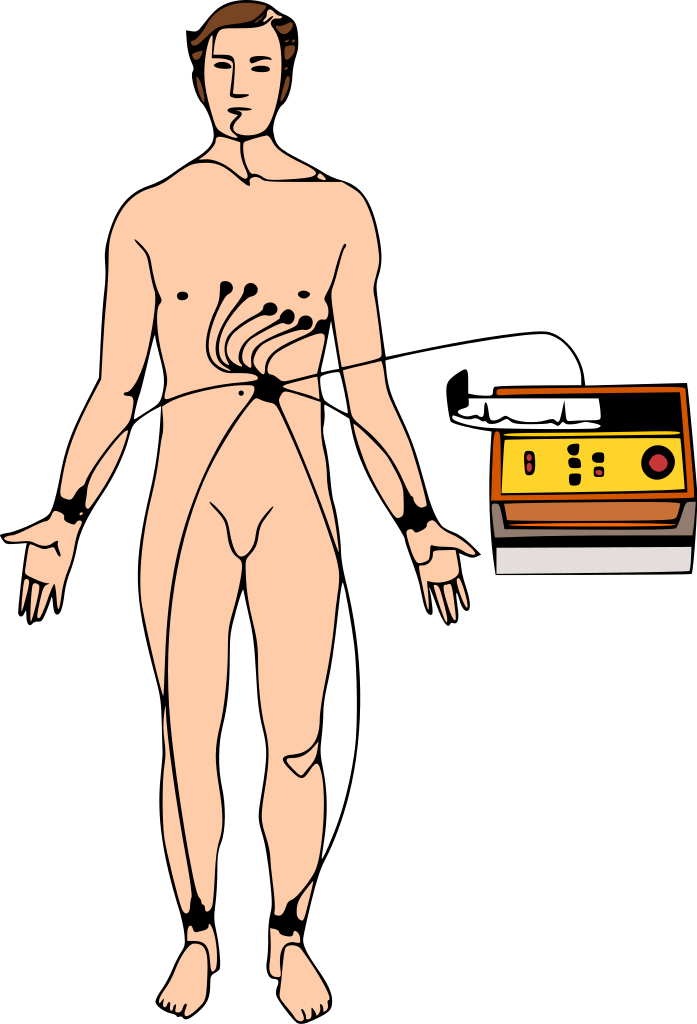
Today we had our blood pressure and EKG lab in physiology. I volunteered to be our first guinea pig and got the below 12-lead EKG for my trouble! Part of what's confusing about these is that you only use 10 physical leads to find the 12 signals - also called leads. Whereas six of the signal "leads" are straightforward and relate directly to physical leads (V1-V6), the other six (I, II, III, aVL, aVR, and aVF) are calculated from the remaining 4 physical leads. Simple! Also note that the genius who came up with this system used the numbers 1-3 and the roman numerals I-III in the same identifying system.

My EKG showed that my heart's mean electrical axis (MEA) is at 88° (a bit right of normal, but not pathological) and that my PR interval is a little long which is not normal, but again not pathological.


TIL: On average, women have less hypertension and subsequently less heart attacks than men until the onset of menopause, at which point the incidence increases to match that of men of the same age. This effect is due to the presence of estrogen (a vasodilator) in younger women. When estrogen levels decrease during menopause, its blood pressure reducing effects decrease as well.

Crucified people don't die from hunger, thirst, or even blood loss; they actually die of low blood pressure. The extended vertical position of the body eventually causes blood to pool in the legs, resulting in postural hypotension (low blood pressure from standing up) and eventually syncope (loss of consciousness) due to cerebral hypoxia (lack of oxygen in the brain).

70% of the circulating blood volume is contained in veins. About 5-10% is in arteries and another 5% in capillaries. Where the remaining 15-20% is? No idea. In the heart itself maybe? I think someone is supposed to tell us this in a couple days... I'll keep you posted!

WILTIMS #92: Side effects include...

TIL: Orlistat, an over the counter weight loss drug, has nasty side effects. The drug works by blocking an enzyme, pancreatic lipase, that normally breaks down triglycerides (which can't be absorbed by the gut) to individual fatty acids (which can). The problems with this are twofold: lipid soluble vitamins can't be absorbed, leading to deficiencies, and the unabsorbed lipids leave the body as fatty stool. Mmmm fatty stool! Diet and exercise are starting to sound more... palatable.

Though the drug acts through a different mechanism, it actually causes some of the same symptoms as cystic fibrosis. CF is caused by a defective cellular chloride transporter resulting in unusually thick bodily secretions. This seemingly small change leads to a number of problems, one of which being decreased or blocked pancreatic secretions, which include pancreatic lipase (the enzyme targeted by Orlistat).

Saturday, January 11, 2014

WILTIMS #91: Eureka!

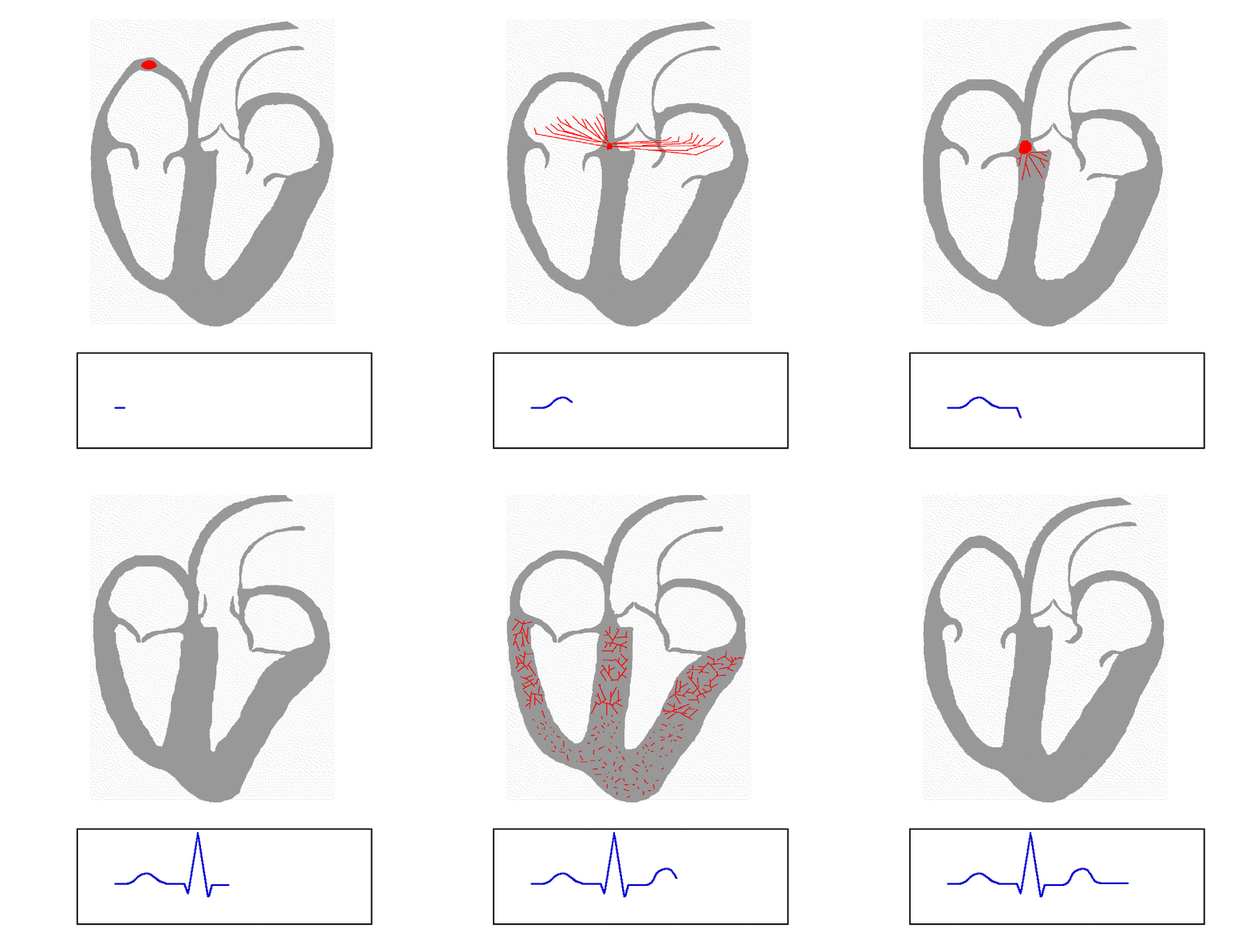
Sometimes I think my consciousness is only a tiny sub-process that my brain employes to keep me occupied while it's working. Case and point: Today, we learned how to read electrocardiograms (EKGs*), which I have been taught at least two other times in my academic career, each time grasping just enough information to survive a test but never really understanding.
Ok, I see how the different waves, segments and intervals line up with the heart's contraction cycle... But why are some waves up and others down? Why do you need a dozen leads when one would seem to do the job?
Today, it just clicked. Made perfect sense. Not sure what I was missing before. I feel like my subconscious was just working away on this one, setting up some EKG-understanding brain pathways while I wasn't paying attention, just in case I should ever come across EKGs again. Well, thank you brain! If you wouldn't mind, could you move on to neurology before the spring block? I know you've also seen those topics a few times before, and hey, it's practically an autobiography for you, so it should be pretty easy.

TIL: Cardiac output is limited by venous pressure. In other words, the heart can only pump so much blood at a time. The maximum amount of blood the heart can pump is determined by a number of factors, like the heart rate, preload, etc. but the limiting factor is the pressure in the veins. Each time the heart pumps, it pulls blood out of the venous system and the veins happily empty, but if the heart is moving too much blood too fast, the veins will collapse. A collapsed vein can't provide any more blood for the heart to pump, so the cardiac output plateaus.

If a spinal cord tumor is located in the lower back just below the tail of the main spinal cord, you don't want to make your incision below the lesion because the cerebral spinal fluid (CSF) will drain and move the tumor caudally (toward the butt) by the change in pressure.  If the tumor is connected to the spinal cord proper, it will dangerously stretch the spinal cord, possibly causing damage.

*The "K" in EKG comes from the original Greek wherein "cardio" is spelled "kardio." Some people use the abbreviation ECG to match the modern spelling, but those people are stupid.

Friday, January 10, 2014

WILTIMS #90: The problem of evil

This evening the campus Oncology Interest Group had as a guest speaker our chancellor, an extremely distinguished and well-spoken pediatric radiation oncologist. I personally think he's just collecting titles ...and winning at it. When answering a rather routine question for this area of medicine, "How do you deal with the unavoidably tragic cases in a field with kids and cancer?," the chancellor waxed philosophic about the "problem of evil." This is the very old conundrum relates to the problem of having evil in the world with an all-good, all-knowing, all-powerful deity.

In medicine and especially oncology, we often (admittedly unfairly) justify some of the things that happen to our patients.
Well, the colon cancer patient had a horrible diet; the lung cancer was undoubtedly due to the 2 packs a day for 40 years; and the guy with the throat cancer drank and smoked!
But pediatric cancers are never the fault of the kid. What's more, the child hasn't lived a long life of fun and debauchery, and may never because of our diagnosis.

So how does one deal with this? The non-religious simply say that it's all random, so I might as well help. The fervently religious may claim that there is some grander plan that for some reason required innocent children to die painfully. But the bulk of physicians, like our chancellor, simply stop thinking so hard about it and help as best they can. Even if there is little we can do clinically, we can improve our patients' and their families' lives by being there for them in these difficult times.

Now for something completely different: I present to you: SuperMouse PEPCK-Cmus! This genetically engineered mouse line was created by up-regulating one enzyme, phosphoenolpyruvate carboxykinase, which is important in gluconeogenesis.

That mouse just ran a 5K race. Crazy.

TIL: Aortic stenosis causes heart sounds to change from "lub-dub" to"lub-shhh-dub".

Excessive fructose ingestion is bad because its metabolism is less regulated in the body compared to glucose. Fructose is quickly used to form fructose 6-phosphate, and it will do this without any negative feedback, consuming all of the body's stores of inorganic phosphate. And that has broad, if vague negative effects on energy metabolism.

Monday, January 6, 2014

WILTIMS #87: Hello again!


Happy New Year! 2013 was a great year for me (yay med school!), especially compared to 2012 (boo cancer!), so here's to 2014 upping the ante!

We hit the ground running (as usual) today and covered most of hemodynamics (the physics of blood circulation) in Physiology and ALL of glycolysis in Biochemistry. It's still amazing that something that took about a week to teach in undergrad was covered in an hour in medical school - and in greater detail.

Perhaps I'm overreacting though. After all, glycolysis consists of only 10 simple steps!

Glucose is phosphorylated by hexokinase to form glucose 6-phosphate (G6P) via the dephosphorylation of adenosine triphosphate (ATP) to adenosine diphosphate (ADP). G6P is then rearranged into fructose 6-phosphate (F6P) by phosphoglucose isomerase. F6P is irreversibly phosphorylated by phosphofructokinase to form fructose 1,6-bisphosphate (F1,6BP) after the consumption of an additional ATP molecule. F1,6BP is then split by aldolase into dihydroxyacetone phosphate (DHAP) and glyceraldehyde 3-phosphate (GADP). DHAP and GADP are interconverted by triosephosphate isomerase, allowing for complete conversion to GADP, which is exclusively consumed in the next step.
-Halfway there!-
Everything in the second half is doubled thanks to the two molecules of GADP that we derived from glucose. Inorganic phosphate (Pi) is added to GADP by glyceraldehyde phosphate dehydrogenase which simultaneously reduces NAD+ to NADH and produces 1,3-bisphosphoglycerate (1,3BPG). Phosphoglycerate kinase transfers one of 1,3BPG's phosphate groups to ADP, producing ATP and 3-phosphoglycerate (3PG). The remaining phosphate is transferred from the C-3 carbon to C-2 by phosphoglycerate mutase, forming 2-phosphoglycerate (2PG). 2PG is dehydrated to phosphoenolpyruvate (PEP) by enolase. Lastly, pyruvate kinase removes the remaining phosphate, forming another molecule of ATP and our final product, pyruvate.

The net reaction for glycolysis is:
glucose + 2 NAD+ + 2 ADP + 2 Pi → 2 pyruvate + 2 NADH + 2 H+ + 2 ATP + 2 H2O

Appologies for taking this opportunity to study at you!

TIL: The body uses ~200 grams of glucose every day. 80% of this is consumed by the brain and blood cells.

Vasodilator medications reduce the pressure in the arterioles (small arteries) of the circulatory system but also result in increased pressure in capillaries and venules (small veins).

Thursday, December 12, 2013

WILTIMS #82: Don't Panic

TIL: Giving supplemental oxygen (O2) may increase the arterial oxygen saturation but it does nothing to decrease the partial pressure of carbon dioxide in the arterial blood (PaCO2). Instead you must change the respirator settings to increase the alveolar ventilation (the amount of air that comes in and out of the lungs).

If hyperventilating get the CO2 out of your body faster, why is it so bad? Your body does not monitor its blood oxygen level directly, but instead looks at the carbon dioxide level which, theoretically, should be just as effective. If the CO2 level is high, O2 should be low and vice versa. The problem is that hyperventilation causes the CO2 level to go down without affecting the O2 level. The body responds by constricting blood vessels in the brain and other tissues, thinking that O2 must be abundant, effectively suffocating itself. This is why breathing into a bag when hyperventilating can help; it traps more CO2 in the lungs - normally a bad thing - to alert your brain to the real O2 level.

Why doesn't hyperventilating increase your blood oxygen levels? O2 is transported via the hemoglobin protein in red blood vessels and, at normal respiration rates, the hemoglobin are already saturated with O2. They can't hold any more O2, even if you are breathing more in per minute.

X-linked agammaglobulinemia (yes, I occasionally pick things to share just because they have sufficiently multisyllabic names) is a genetic immune deficiency resulting from a mutation to the X chromosome that prevents B cells from maturing. B cells are responsible for producing antibodies which are the primary weapon the immune system has to fight off pathogens. The disease is expressed far more often in males due to the X-linked recessive inheritance. As women have two X chromosomes, a woman with one diseased allele will not show symptoms but will instead be a carrier of the disease. Men (who have one X and one Y chromosome) can never be carriers and will always fully express the diseased phenotype.

Wednesday, December 11, 2013

WILTIMS #81: Do palm it pull his phat is hoc go line

TIL: Beta-thalassemia is a genetic disorder that affects the beta sub-units of the hemoglobin proteins in red blood cells. Hemoglobin are responsible for transporting carbon dioxide and oxygen to and from the lungs, so patients with beta-thalassemia often have symptoms of anemia. The disease is caused by an error in transcription from the DNA to the mRNA of the gene for the beta strand of the protein. The spliceosome, which normally cuts out the useless bits of the genetic transcript and splices back together the useful parts, for one reason or another cannot correctly remove all the fluff, which results in an altered hemoglobin protein. It can take as little as one errant nucleotide out of the over 3 billion that make up the human genome to cause this disease.

Atelectasis is the collapse of part or all of a lung. This has several causes, one being a deficiency of the surfactant secreted by the type II pneumocytes (lung cells) which reduces the surface tension of the fluid coating of the lungs, preventing the alveoli from collapsing. The chief surfactant is dipalmitoylphosphatidylcholine (which, by the way, my phone initially autocorrected as "do palm it pull his phat is hoc go line").

Atelectasis can be a problem in infants following a premature birth because, though the type II cells start producing surfactant during the 25th week, they don't begin to secrete until the 30th. The treatment is to give the mother glucocorticoids to stimulate surfactant release. Maternal diabetes can be another cause of this condition because high fetal insulin levels inhibit surfactant production. You can treat this by administering a surfactant into the infant's lungs through an intubation setup. The only problem is that the surfactant has a consistency of honey, so in order to coat the whole lung surface, you must pick up the baby and rotate them around, just as if you
were coating a ceramic pot with resin.