Showing posts with label cancer. Show all posts

Friday, December 16, 2016

WILTIMS #508-509: Pediatric Heme/Onc

[Same old story: this post recounts days long past. I refuse to let this blog stay dead! "Once more unto the breach, dear friends, once more..."]

As hinted in my last post via my TodayILearned facts, the specific service I'm on for my pediatric sub-I is hematology, oncology, and transplant. This service is actually a lot of fun, with fantastic attending doctors, and dedicated nurse practitioners and nurses. But I was quickly reminded of the life and death realities of working in this field.

We recently had a teenager transferred to our service from general pediatrics. The kid came in with some vague symptoms that just weren't going away. All but cleared to go home, one last test, a bone scan, was done and to everyone's surprise it showed metastatic cancer. A biopsy was done which the medical staff knew was going to all but determine the kid's fate. Most childhood cancers are very treatable; some are not. It came back as Ewing's sarcoma which has a <10% survival rate. It was a sobering reminder that not all of our pediatric patients leave with happy endings.

ThursdayIL: Patients with suppressed immune systems (like cancer or transplant patients) must have their blood glucose carefully watched. Fungus loves high sugar levels and can thrive (and kill) if the immune system isn't there to fight it.

From: Nabil M. Elkassabany, M.D., et al. ; Green Plasma—Revisited.
Anesthesiology 2008;108(4):764-765.
Somewhat relatedly, if a patient has a bad reaction to a transfusion, the blood products may have been contaminated. But if the patient received several kinds of products, like red blood cells, plasma and platelets all at once, which is the most likely culprit? Units of platelets are far more likely to start growing bacteria or fungus for the simple reason that they don't need to be refrigerated.

Tangenting again, blood plasma is usually an orangish-yellow but occasionally a healthy person will donate green plasma. No, these are not Vulcans/Romulans in disguise; unusually high, but still completely safe, amounts of ceruloplasmin, a copper containing compound in blood, cause the color change.

FridayIL: The top four causes of death for pediatric patients with sickle cell disease are:
  1. Infection
  2. Splenic sequestration
  3. Acute chest syndrome
  4. Multi-organ failure
The vast majority of children with diagnosed sickle cell in the developed world will live well into adulthood. But these kids do often end up in the hospital once and awhile for pain management during sickle cell crises, and it's important for us to know which extreme tragic outcomes we must make sure don't happen on our watch.

Tuesday, January 19, 2016

WILTIMS #416-8: Random fact grabbag

ThursdayIL: Jaundice is first seen at the top of the eye due to that part of the sclera being most hidden from bilirubin-destroying sunlight.

Charcot's triad consists of fever, jaundice, and RUQ (right upper quadrant) pain. Reynolds' pentad consists of the triad plus, hypotension and altered mental status. The triad and the pentad are used to diagnose ascending cholangitis, with the latter being for diagnosing a worsening is the condition.

FridayIL: Clindamycin is the best antibiotic for necrotizing fasciitis because it is both bactericidal (it kills bacteria rather than just preventing their growth) and binds to the toxin that damages the tissue.

In the early stages of diagnosing a patient who might have cancer, try to delicately find out the patient's experience with cancer up to this point. If they do turn out to have cancer, you can better tailor the conversation by knowing if, for example, they have a friend who managed treatment well, or lost a family member who died in pain, or know nothing other than cancer is scary.

TIL: Systemic inflammatory response syndrome (SIRS) is the broader term for the syndrome of sepsis, with or without an infectious source (sepsis is specifically infectious SIRS (confusingly, non-infectious SIRS is just SIRS)).

Friday, January 8, 2016

WILTIMS #411-12: Where is everybody?

My team at the hospital is weird because our unit doesn't exist. The 7A team is on the seventh floor in the A wing, the 9B team is on the ninth floor in the B wing. My 8D team... has no physical location. There is no D wing. This means that our patients are scattered to the wind in a half-dozen other units, and frequently so is each member of my team. Group text messaging has never been more useful, as we run between the various floors in search of each other.*

YesterdayIL: 85% of patients who achieve full remission from acute myeloblastic leukemia (AML) will have a recurrence. The problem with this disease is that chemo targets rapidly dividing cells and some AML cancer cells revert to a state of quiescence where they essentially go to sleep. The chemo kills all the active cancer cells but some of these sleeping cells wake up eventually, growing into full blown cancer again.

Also, somewhat counterintuitively, large volume diarrhea is likely coming from a defect in the small intestine. The small intestine normally absorbs about seven of the nine liters of fluid that flow through the GI tract every day. The large intestine only absorbs most of the remaining two. So if five liters of watery diarrhea are coming out, then it must be a small intestine problem, because the large intestine never even sees that much fluid (and can only handle about 2 liters maximum).

If a patient reports coughing up "a cup" of mucus in the morning, think either bronchiectasis or a lung abscess. Bronchiectasis is when the respiratory tree gets all stretched out and mucous can build-up in the enlarged passageways. A typical patient that may have an abscess is an alcoholic who vomits up some food, breaths it into their lungs (aspiration), and then the gut bacteria start multipying and eating away at the lung walls.

TIL: Spondylosis vs. spondylolysis vs spondylolisthesis. -sis: degeneration of the discs of the spinal column; -lysis: degeneration of the spinal bones themselves; -listhesis: slippage of one spinal bone forward onto the one below it.

*Floor numbers have been changed to make it harder to deduce anything about my patients incase any of my readers are creepy patient sleuths.

Tuesday, October 13, 2015

WILTIMS #364: Hanging with the big boss

Today was my first day on clinic and... not much happened. For some reason, there just weren't many patients, so we spent most of our time hanging out with the clerkship director and talking about life, med school, and administration drama. Not a bad day, overall.

TIL: A nabothian cyst is a benign, mucous-filled cyst that grows on the cervix. As a medical provider, you get nervous whenever you see something on a cervix that it might be cancerous. One simple way of determining that the cyst is not a tumor during your physical exam is to visualize it using a speculum and look at the blood vessels. The blood vessels should look normal if it's a cyst, whereas tumor vasculature often shows strange patterns like blood vessels coming straight out towards the skin or crossing each other or branching at acute angles. A pelvic sonogram is usually pretty conclusive, showing that the mass is fluid-filled and not solid.

Monday, October 5, 2015

WILTIMS #359: Modern midwifery

Today was another didactic day, so we had a session on knot tying and suturing (action shot to the right!), then we had a lecture on ovarian cancer and another on midwifery, before finally having a patient panel on being diagnosed with pelvic cancers.

Midwifery has always confused me as a modern profession. I think, like most people in the US, I first heard of midwives in history class. When I began hearing of them in the present tense it confused me must as it would if someone said they were waiting for the milkman or ordering an ice block from the iceman. To my naive mind, all of these professions had become obsolete either due to safer practices or the decline of the extremely rural environment.

But midwifery has had a resurgence. After being pervasive from ancient times up to the 1800s, the practice of the midwife was ridiculed by modern medicine as being a lay-practice and not based on science, often very true claims. But in the second half of the 20th century, midwifery made a comeback. Now with proper training, midwives make a really nice addition to the obstetrics team. Contrary to popular stereotypes, 94% of midwife-supervised births take place in hospitals, not at home. Generally midwives take low risk births where the close supervision of a full obstetrician simply isn't needed. If anything goes wrong, the patient is already in a hospital and the midwife just calls one of the on-call doctors for backup.

TIL: Ephraim McDowell, a physician in Danville, KY, performed the first successful elective laparotomy (opening the abdomen to peek around and cut out any bad stuff) in 1809. That's just insane. 1809! That's before antibiotics, before anesthesia, even before aseptic surgical technique. Our lecturer today pointed out that we've done laparotomies since ancient times. If someone was dying of a giant tumor in the abdomen, it was really easy to see where the problem is. But until this random Kentucky surgeon, every patient every operated on in this way died.

"Midwife" is not actually a gendered word. It comes from the old English word for being "with the wife." Around 5% of midwives are actually men.

Friday, April 24, 2015

WILTIMS #293-5: Oranges, derm and a belly brain cancer

WednesdayIL: An inflamed breast is obviously never someone's idea of a fun time, but in rare cases, it's far worse. The inflammation is usually caused by a bacterial infection, especially during periods where the woman is breast feeding. Unfortunately, the same appearance of inflammation can also be caused by inflammatory breast cancer. This variant of malignant breast cancer is caused by the tumor blocking off the lymphatic drainage from the breast and has a very poor prognosis. If the inflammation progresses far enough, it can cause a peau d'orange or "orange peel" appearance where the breast turns reddish-orange and develops dimples as the swelling tissue pushes out past the hair follicles. I'll let you google that picture on your own.

Thursday: Today was our last gross specimen lab of the year, and we were looking at gynecological pathology. Most of the samples were ovarian and uterine tumors, fairly repetitive over-all. One specimen, however, managed to wake up even the most tuned-out of my classmates. An invasive placenta had grown into the uterine wall, requiring a total hysterectomy - removing the uterus, ovaries, and a 14-week fetus.

Now, we've passed around kidneys the size of a watermelons, lungs as black as coal, and brains of infants, but I've never seen everyone snap to attention as quickly as when we noticed that fetus lying on its side in a pool of preservative in the specimen bin. For me, it re-humanized an already desensitized procedure of looking at bits of dead people. We take for granted that these people lost their organs, and usually their lives, after some valiant but futile effort by our medical colleagues. That's enough to put our minds at ease. But this case provided too much information for us to remain detached. This woman probably went in for a pregnancy check-up and found out that not only would she lose the baby, but with the removal of her reproductive organs, she'd lose the ability to ever try again. Not quite as fun as poking squishy things normally is.

ThursdayIL: A chloasma or melasma is a facial pigmentation change that is associated with pregnancy, hormonal birth control and hormone replacement therapy.

You can develop primary brain cancer (or any cancer, really) from a teratoma. A teratoma, literally "monster-tumor," is a germ cell mass that can grow into any kind of tissue thanks to the undifferentiated nature of its precursor cell type. These tumors are well known for containing fat, hair, lung, bone and teeth, all mushed together at some mid-line place in the body (for embryologic reasons). Teratomas are almost always benign, but any of the tissues within the tumor can, on rare occasions, become cancerous themselves. So, if you're really, really, really unlucky, you can get brain cancer in your teratoma in your uterus. (This story was confirmed by a pathology resident to have actually happened at our hospital in recent years)

TIL: Dermatology lightning round!
Macule: flat, non-palpable lesion less than 1 cm
Patch: same as macule, but >1cm (e.g. café au lait spots)
Papule: raised lesion less than 1cm (e.g. pimples)
Plaque: superficial raised lesion >1cm (e.g. psoriasis)
Nodule: deep/solid raised lesion >1cm
Vesicle: fluid filled less than 1cm (e.g. poison oak/ivy)
Bulla: same as vesicle, but >1cm
Pustule: pus filled lesion of any size
Wheal: firm raised edematous (swollen/red) lesion (e.g. hives)

Thursday, April 2, 2015

WILTIMS #282-4: Gland Opening!

Spring break starts tomorrow! Woo! Studying will still be going on, but now I get to shift to reviewing old material. Yay? But before they set us loose, we had to get a start on our new block of material, endocrinology, the study of hormones and glands. See you in a week!

TuesdayIL: When looking at pituitary tumors, they become clinically noticeable from either mass effect or excess hormonal production, but rarely both. This makes sense, since if a tumor secretes a hormone, it will cause more and more problems as it grows and will be noticed due to it's systemic effects before it gets noticed for pushing on the neighboring brain regions.

Neuroblastoma and Wilm's tumors look very similar but Wilm's rarely metastasizes to bone, so if you see bone mets, think neuroblastoma.

WednesdayIL: Near the end of a pregnancy, the pituitary gland is hypertrophied and at the limit of its vascular supply (it's bigger and is barely getting enough blood). Though this growth is useful to produce the hormones needed to maintain the gravid state, it puts the pituitary at risk of infarction (stroke). If there is substantial blood loss during delivery, this can exacerbate the problem. If an infarction happens at this point, it's called Sheehan syndrome. Loss of pituitary function can be pretty subtle and, if it's a small infarct, could go unnoticed for years. The main symptoms are lethargy, anorexia, weight loss and an inability to lactate. Since the pituitary controls the thyroid gland, you can also have hypothyroidism, showing water retention, more fatigue, cold intolerance, among many other symptoms.

TIL: TSH level manipulation with thyroid cancer is complicated. Normally, you want to suppress thyroid stimulating hormone (TSH) in thyroid cancer treatment for the fairly obvious reason that part of the thyroid is already growing out of control (hence the cancer), so stimulating it would be counterproductive. Simple, right? Here's the problem: one of the treatments for thyroid cancer is using I-131, a radioactive isotope of iodine, to kill off cancerous thyroid cells. This is a great targeted form of chemotherapy since the thyroid is the only part of the body that takes up iodine in any significant amount. But in order for the thyroid to do this function, it needs to be stimulated by TSH. So, if this treatment is used you must closely regulate the TSH level so that it's high when you want iodine to be absorbed, but low the rest of the time to deter unwanted growth.

With hyperthyroidism caused by subacute thyroiditis, the thyroid does not actually produce any not hormone than usual. Instead, the inflamed state allows more of the preformed stored hormone to leak out of the thyroid follicles than normal.

My favorite disease of the week is the so-called hamburger thyrotoxicosis, which is community-wide outbreaks of hyperthyroidism caused by the accidental addition of bovine thyroid gland into hamburger meat. Thyroid hormones are very potent and if thyroid tissue gets mixed into a large batch of ground beef, it can cause symptoms in hundreds of people. The practice of using the meat near the neck of the cow is strictly prohibited, so this rarely happens and is more commonly seen when a family farm butchers a cow for their own use and doesn't follow the industry guidelines.

Sunday, March 1, 2015

WILTIMS #261-5: Renal wrap-up with a side of death and vodka

Another week, another pre-exam post! This was a tiny block of material compared to the last couple, but boy have the kidneys made up for it with complexity. And just to make things more interesting, we also threw autoimmune/connective tissue diseases into the mix. The upshot of those is lupus can cause anything. There. See? Now you know as much as I do! erm... I mean, I totally know more stuff grumbleantiDSgrumblerheumaticgrumbleSmithgrumbleSjogren's...

Anyways, here's a thingy I made for brushing up on the basics of renal physiology and pharmacology:

Click to enlarge
Simple right!? In all honesty, even though it's super complicated, I love learning about the kidneys. They do incredibly important things with an efficiency and precision that's astounding. Of course they also like to freak out and kill you when they get confused, but that's fun too, in its way.
Heart: Ugh, I just can't do it! I can't take any more blood pressure...
Kidneys: What's that Heart? More blood pressure? We've got your back!
Heart: What? No! I'm already exhausted why would I want more blood pressure!?
Kidneys: Even, more!? Wow!
Heart: NOOO!
Kidneys: WE'RE HELPING!
MondayIL: The title coroner originally meant a representative of the King (hence the corona root) whose job was to make sure a person was truly dead, because at death all debts return to the crown. Being "dead" was a great way to dodge your debt.

One of the few interesting things to come out of an optional talk I went to this evening was a great analogy about the murkiness of defining death: defining death is like defining blindness. You can be legally blind while still being able to perceive light. The point of the definition is that beyond some threshold, one's eyes are no longer able to do that which gives them purpose. Similarly, you can be legally dead without having lost all of your bodily functions. But is a beating heart or breathing lungs lying on a bed really a person by any meaningful definition?

TuesdayIL: Autosomal dominant polycystic kidney disease makes for some HUGE kidneys. Today was a gross specimen review and there was one set of kidneys that we jokingly said we would have believed was a brain or lung, had it been labeled so.

WednesdayIL: If you try to poison someone with ethylene glycol (antifreeze) you'll get caught on autopsy when they find calcium oxalate crystals in the kidney. Oxalic acid is one of the breakdown products of antifreeze and, while the poison's trying to kill you, the kidneys try to filter it. As the urine gets more concentrated with the oxalate, it forms very specific kidney stones which, you'll remember from the other day, look like letter envelopes. Counteracting this type of poisoning is also one of the few instances where giving IV ethanol (yep, think the world's purest vodka straight into your veins) is an acceptable treatment. The alcohol blocks the enzyme that breaks ethylene glycol down into its poisonous byproducts, giving the body more time to filter all of these chemicals out of the blood. So if you're poisoned, the drinks are on us!

Thursday I Learned: that I do, in fact, know some things! Today was another four-month checkup with my oncologist. (All is well, by the way.) While I was there, the doctor was interrupted by a nurse, who was asking what the reason was for admitting another patient to the hospital. "Her hemoglobin is 5..." he said, a little incredulously, before rewording it in a way that a hospital would approve of. As he turned back to me, he saw my eyebrow-raised expression, and chuckled. "You know how bad that is now, don't you?"

It's the little things that remind me that I am actually making progress.

Friday: Today we had a small-group case study that was based on a tragic real-life case of deadly misdiagnosis. That sounds rather depressing, but because we are highlighting it, 200 soon to be doctors won't ever make that same error. Mistakes happen all the time in medicine; we're only human. But we can honor the people we harm, by learning and teaching about the mistakes we make.

The mistake in question: A slightly elevated creatinine level on a petite female is indicative of much worse renal/urinary problems than a simple UTI.

FridayIL: How to sign "Where does it hurt?"

http://www.lifeprint.com/

Thursday, January 8, 2015

WILTIMS #233: Have you or someone you know been annoyed by lawyer ads?

TIL: ...why all those annoying law office ads about asbestos target people with mesothelioma. I already knew that asbestos can cause mesothelioma (which is a cancer of the pleural tissue surrounding the lungs) as I'm sure anyone who watched TV in the past few years has learned as well. What I learned today was that asbestos actually causes significantly more lung cancer than mesothelioma. The reason that lawyers pounce on patients with the latter is that lung cancer can be caused by many things (most often smoking) whereas practically all mesothelioma is caused by asbestos. Mesothelioma is an almost guaranteed win in court if the asbestos exposure is well documented.

Atelectasis is the collapse of part or all of a lung.

An air bronchogram is a radiological finding where air-filled bronchi are made weirdly visible because of contrast with pathologically dense adjacent alveoli (air sacs). The density can be caused by many things including edema (fluid), cancer, and atelectasis.

Silhouette sign is a misnomer for the radiological finding of the loss of a silhouette sign. This is when a normally crisp border as seen on a x-ray image is unusually fuzzy, indicating that some pathological process is present.

Wednesday, November 26, 2014

WILTYIMS #220: NYMedTalks

Yesterday was a special day for my school. Every year, the second-year class hosts a day of scientific talks with a residency/specialty fair during lunch. This year's event was put on by my class and rebranded from the simultaneously enigmatic and uninteresting SPAD (Student Physician Awareness Day) to NYMedTalks (Ă  la the popular TED Talks).

Our student senate put in way more work than anyone expected of them, getting some fantastic speakers and even convincing medical students to voluntarily attend anything. Normal classes were cancelled for first- and second-year students and third- and fourth-years were excused from their clerkships, should they want to attend. That's roughly 800 people alone. At most, I think we had maybe 125 people in the auditorium at once (for the "Watson" talk, if you were wondering), but to be honest that was way more than most people, including myself, expected.

The presenters were, on average, great speakers with interesting areas of research. Here's a rundown of the day and highlights I took away from the talks:

8:30 – 9:00 Introduction by Deans and Chancellor Halperin
  • As he himself so eloquently put, there is a difference between saying a few words and having a few words to say. Chancellor Halperin once again gave a surprising mini-speech on the merits of keeping an open mind, of disregarding one's societal station, of gracefully handling criticism, of branching out into many fields, and of doing all this at any age - all as tied together through the life and actions of Benjamin Franklin. Bold, interesting and well-spoken as always.
9:00 – 9:30 “Unnatural Killer Cells: TRAIL-coated Leukocytes that Kill Cancer Cells in the Circulation" by Dr. Michael King (Cornell University)
  • This was a great research presentation on a new way to defend against metastasis of cancers by, in a way, arming the body's natural immune defense cells with a cancer-targeting system. Specifically, they trick cancer cells into sticking to the white blood cells by adding a blood vessel protein to the cell membrane and then they give the white blood cells apoptosis-inducing weaponry to kill the cells that stick to the trap.
9:35 – 10:05 “Early Life Microbiome and Obesity" by Dr. Martin Blaser (New York University)
  • This guy is a rockstar in biomedical research. He is the head of the Human Microbiome Project, the follow up to the human genome project that seeks to quantify and categorize the various combinations of bacteria that inhabit our bodies with us. He is a phenomenal speaker and made a solid case for misuse of antibiotics having a leading role in the current obesity epidemic, among others. Here he is in a Daily Show interview* promoting his recent book.
*I'm not actually a big fan of Jon Stewart as a science-interviewer, and think this could have been better a better interview, but still it's cool that I just saw that guy in my classroom yesterday, after watching him on TV a few months ago.
10:15 – 11:00 Public Health Panel on (paraphrasing) issues in primary/geriatric care and incarcerated populations by Drs. Pedro Laureano and Kenneth Knapp (NYMC) moderated by our dean of public health, Dr. Robert Amler.
  • This was a rather blah panel, but the speakers did bring up some interesting points. Specifically, I had never really thought about the burden that unhealthy ex-prisoners put on their communities when they are released and how poorly we take care of them once they are.
11:05 – 11:35 “SpeechOmeter: a Google Glass Application” by Mansoor Pervaiz (Northeastern University)
  • This was a cool presentation by a PhD student on an app they made for the Google Glass platform where they could monitor and modify the speech patterns of people with disabilities that cause speech pathologies. An example he gave is of how parkinson's patients often lose a sense of how loud they are talking and with this technology, you can give them a big colorful display in the corner of their eye with volume and speed feedback. The patient can then get instant impartial feedback and the clinician can get a recording to see if the speech therapy techniques are working, are being used correctly, or need to be further adjusted.
11:40 – 12:10 “Updates in Obesity Medicine; Epidemiology, Metabolic Disease, and Clinical Applications” by Dr. Rekha Kumar (Weill Cornell Medical College)(and NYMC alumna)
  • This was a fairly simple description of the new, mostly pharmacologic options for treating severe obesity, as given by a fairly recent alum of our school who now practices on the upper east side in an obesity focused office.
12:10 – 1:10 Residency/Specialty Fair and Lunch
  • Lunch had an impressive turnout by many of the dozens of residencies that our school offers. Students could roam around and ask about the pros/cons of different specialties and learn what they need to do to better their chances of matching, come fourth-year.
1:15 – 2:15 “Watson: The Jeopardy! Challenge and Applications to Healthcare” by Dr. Eric Brown (IBM)
  • This was easily the coolest talk. The project leader of IBM's Watson supercomputer came to talk about the progress toward healthcare applications for Watson's powerful information systems. This is of course the computer that beat Ken Jennings and... that other guy in Jeopardy a few years ago. The remarkable thing about that feat was the ability of this computer system to navigate the complex and purposefully tricky wording of Jeopardy clues and then search a vast store of knowledge in just a few seconds to come up with an accurate answer.
  • In healthcare we have the problem that there is far more research done and patient information recorded than is reasonable for even a whole team of doctors to parse through in any reasonable amount of time. Enter Watson, who can almost instantly sort through the entirety of medical literature and years of patient charts to offer up a answer to a question and explain its reasoning, This could be not just powerful, but indispensable in coming years.
  • Our school has actually been part of the team training Watson's new healthcare algorithm. Every time the still-training Watson is given a query, a panel of experts with rate how well it did and provide feedback on how it could have been better. Then the computer scientists try to figure out how to incorporate that feedback into Watson's processes. So that's cool!
2:20 – 2:50 “Schizophrenia and Depression as Diseases of the Mind?” by Dr. Liah Greenfeld (Boston University)
  • This was simply a weird and poorly articulated talk. Either of those is excusable, but having both made it hard to even sit through. Eh, it happens.
2:55 - 3:25 "Biomaterials and Clinical Applications: New Approaches to the Prevention of Lung Tumor Recurrence Following Surgical Resection" by Dr. Mark Grinstaff (Boston University)
  • This poor fellow lost most of his audience do to the preceding train-wreck of a talk, which is unfortunate because it was an interesting subject. The goal of this research was to come up with a way to help prevent the recurrence of tumors that are surgically removed. The age old problem in this area is that the more you cut out, the less the chance of missing one or more still-cancerous cell. But the more you cut, the less healthy organ there is left for the patient to use during and after recovery. Dr. Grinstaff came up with an idea to coat the surgical wound with a nanoparticle infused mesh. The tiny particles are then slowly absorbed by the surrounding tissue where they release powerful chemotherapy directly to the worrisome tissue. And rather than lose all of that tissue, the chemo selectively targets the cancer cells, allowing more of the tissue to remain healthy.
3:35 – 3:55 “Toward Optimal Neuroprosthetics” by Dr. Ramana Vinjamuri (Stevens Institute of Technology)
  • This was a cool talk about the current state of prosthetics regarding brain machine interfaces (BMIs) that allow the wearer to move the mechanised limb just with their thoughts. We went through the various current options and talked about the balance between invasiveness and utility. For example, though you may be able to wear a funny looking hat to open and close a hand, you can fully move and grasp in three dimensions if you get a rather cumbersome implant that needs to be plugged in to large wires through your skull. Hopefully, time will blend the best of both worlds.
4:00 – 4:30 “Virtual Reality and Video Games for Stroke Rehabilitation” by Dr. Judith Deutsch (Rutgers)
  • Finally, we heard about how video games and virtual reality are being used to aid in physical therapy and rehabilitation. One of the more amusing takeaways was that it is often easier for engineers in this field to wait for the next generation of commercial video game consoles to come out rather than design and build their own custom equipment/software. Then when platforms like the XBOX Kinect release the specifications for designing custom games and programs, you can quickly make a cheap, fun, useful program for patients to use in nearly any space. Nintendo has kept the Wii locked from this application, so even though the Wii would be great for these applications, physical therapists have to adapt their programs to the already made games, like Wii Sports or Wii Fit, which are not designed well for rehab.
So there you go! Looooooong day, but it was a blast and I'm so impressed with how well it was put together by students who are dealing with everything else I have complained about in this blog (classes, exams, etc.). There was so much more discussed for every topic above, but I need to cut myself off somewhere. So, if you have any questions or want elaborations, just leave a comment or send me an email.

Happy Thanksgiving and I shall resume the blog next week!

Wednesday, November 12, 2014

WILTIMS #213: Unfair advantage with unfair news

Sorry, I don't have a TIL for this post. Instead I want to write about a topic that I know a little too much about.

Today we talked about how to break bad news to patients. After a short lecture, we broke up into small groups with real patients, in my room's case a breast cancer survivor, who had been given difficult news in the past. It was weird having someone come in and speak whom I could very much have replaced, had there been a need. I also felt like I was cheating when it was our turn to ask questions.

"I feel like that period between your initial irregular test result and your actual diagnosis must have been scary and confusing..." I say like a lawyer leading my witness. "Could you describe to us how you felt?"

The afternoon after my biopsy (a "fine"-needle aspirate of my mediastinal mass) was the most pain I've ever been in. I hurt in every way. My chest hurt where they stabbed me, my swollen sentinel lymph node still radiated pain down my arm, I was terrified that it was something even worse than it turned out to be, and I was surrounded by loving, equally-scared family who wanted nothing more than to help me, but who sat watching helplessly as I sobbed in the fetal position on my grandparents' couch. I just wanted to go home after winter break like I was supposed to, but my life had changed on that fateful Friday, three days prior.

And that was one of the big takeaways today. It doesn't take a metastatic cancer diagnosis to make for a difficult diagnosis discussion. Anything that will change someone's lifestyle or plan can be hard to handle. We need to amputate. You will need to take this medication for the rest of your life. You won't be able to play that sport/ do your job/ get around unassisted anymore.

I got my final diagnosis by phone, because the doctor wanted, as soon as possible, to reassure me that it wasn't something worse. So, I never really experienced that "bad news" talk from the patient perspective; my cancer diagnosis was relatively good news! I have, however been closer than most to the other side of the conversation.

After I recovered from my treatment, I volunteered with the Cancer Resource Center in the Ithaca. Among other things, I volunteered on thyroid clinic days, where 5-10 people would come in for a biopsy on potentially cancerous nodules on their thyroid. About five of every six patients would come in, be nervous for an hour or so, and leave relieved. But nearly once per clinic, someone would test positive. They were diagnosed with cancer, right there.

The doctors at this center were great; they would deliver the news and take as much time as was needed for the patient. But when they reached a comfortable stopping point, they would offer the assistance of volunteers like myself to talk with the newly diagnosed patient in a private room about the steps ahead and the resources available to them as they started this struggle.

We really never expected people to understand anything we said. Once someone says the C-word, everything else is white noise. We really were there for three reasons: to just be present for the patient as they start to digest the news (i.e. hold the Kleenex), to offer up support as someone who has been in there shoes and had come out alright, and to make sure they left with a big packet of materials that they could open up once the shock had abated.

That was another takeaway from today's discussion that I hope my classmates remember: The moment of diagnosis is so overwhelming that you need to assume the patient understands nothing, but will probably want to know everything once they have gone home, grieved, and begun to process the change that is about to happen in their life. Some people weep, others are stoic, none are grasping the details right then. So make sure they know, at bare minimum, when and where their next appointment is and that they have access to all the information you are telling them once they get home.

Lastly, and a point that I feel wasn't greatly stressed in our lecture today, when it's appropriate in the conversation, bring up family and friends. Some people are far less concerned about themselves than how their spouse, their children, their parents will handle the news. The patient's care should be topic #1, but a diagnosis like this is usually devastating to more than just the person in the room.

These conversations are very difficult and emotionally draining, but I've never felt more useful to a person than when I could help someone take the very first steps on the road back to normal, in the moments after they've never felt more lost. If you do it well, nothing is more rewarding.

Friday, October 31, 2014

WILTIMS #206: Witches' warts for Halloween!

And so the lame-duck week has come to an end. When crazy tests are put on a Wednesday, I don't think anyone expects much to get done on Thursday and Friday. Very few people stuck around for lecture and the presentations were held to mostly introductory topics. We learned our first 3 of untold scores of virus categories today: papillomavirus, polyomavirus, and adenovirus.

HPV by electron microscopy
The only one of these you're likely to know is (human) papillomavirus, aka HPV. These viruses can cause warts (yes those warts too), a slimy infection of mucous membranes (yes those membranes too), and cervical cancer (there's only one cervix, but for the sake of completeness: yes that cervix too).

TIL: The way HPV can cause such diverse conditions is that each subtype of virus encodes a specific subset of genes from its tiny genome. Subtypes 16 and 18 cause cancer because they express genes for three oncoproteins. These use the same techniques as cancer to convince the infected cell to replicate unchecked. The virus doesn't actually care if the cell divides and/or becomes cancerous; it just needs the cell to replicate its own DNA so the virus can then use the cell's replicative machinery to reproduce itself.

Friday, October 24, 2014

WILTYIMS #203: Translocate THIS

T At some point IL and today IL more about: There are a whole slew of chromosomal translocations that cause leukemias and lymphomas. These dangerous mutations occur when one gene, usually involved with cell proliferation, is grafted into another locus that encodes for some highly expressed protein.

Think of it as though some cellular proteins are painstakingly made by hand while others are mass-produced on an assembly line. Then some cancerous businessman comes in and finds a way to slip the blueprints for the handmade protein into the assembly line. Suddenly the shoddily made copies of the rare protein flood the market using the machinery of a simpler (gene) product.

In real life the assembly line protein is some important part of the immune system, like a piece of the antibody molecule of which we need to be able to produce immense quantities to fight infections. Then a mutation swaps-in a normally highly regulated molecule that controls cell growth and division, like cyclin D. The growth protein is then made at levels reserved for antibodies causing cells to divide in the uncontrolled manner of cancer.

The image to the right (from Wikipedia, amazingly) is a nice graphic showing the locations of the chromosomal fragments that swap, as connected by the disease that the swap causes. Notice that a bunch of diseases are connected to chromosome 14; this is where the immunoglobulin heavy chain (IgH), a part of all antibodies, is normally encoded. A translocation between part of chromosome 8 and this region of chromosome 14, or put more succinctly t(8;14), causes Burkitt's lymphoma. t(11;14) causes mantle cell lymphoma and t(14;18) causes follicular lymphoma.

The t(9:22) translocation is particularly interesting. This is called the Philadelphia chromosome (after the city of its discovery) and it's associated with chronic myelogenous leukemia.  Here, the gene that's swapped in is not just expressed more but, due to some convenient splicing, actually made more potent. The gene product is a tyrosine kinase, an enzyme that phosphorylates other proteins, and because of this translocation it is constitutively turned on, having widespread and, it turns out, cancerous results.

Friday, October 3, 2014

WILTIMS #193: A cancerous quickie for Friday

TIL: The cancers that commonly metastasize to bone are breast, lung, thyroid, kidney and prostate. This can be remembered by the mnemonic: BLT with Kosher Pickle.

Paraneoplastic syndromes are symptoms associated with cancer that are not readily explained by the normal attributes of the tumor(s). For example, if a tumor differentiates and starts producing a hormone not normally found in that tissue, that would be considered paraneoplastic.

The TNM cancer classification system differentiates instances of cancer by tumor size, lymph nodal spread, and metastasis.

Wilms' tumor, also known as nephroblastoma, is a cancer of the kidneys that typically presents in children. It is one of the only cancers that is named after a person in addition to its anatomically descriptive name.

Tuesday, August 19, 2014

WILTIMS #166: Highlighter Syndrome

This is turning into a pet peeve of mine: our pharmacology course director has a habit of sequentially highlighting every. Single . WORD. Sure, he never forgets to mention anything, but I'm so distracted by the lack of logic in his color choices that I stop paying attention.


Moving on.

At some point in one of our pharm lectures today, the Janus kinase (or JAK) was used as an example. Intrigued by the apparent devine reference I Googled the enzyme to learn it's etymology. TIL, JAK was always this enzyme's acronym, but the very apt Janus moniker was an afterthought. Initially the members of this enzyme class were known as Just Another Kinase I and II or JAK I/II. Classic biologist naming eccentricities, but atypically, they quite elegantly renamed these kinases to after the two-faced Roman god.

Janus is one of the few unique gods of the generally Greek-derived Roman pantheon. He is the god of transitions and is often used to symbolize dichotomies due to his two-faced appearance. The Janus kinase takes this name because it contains two kinase domains: one readily phosphorylates substrates while the other turns off the first.

Next, it can be useful to have a really bad, poorly-binding agonist (enzyme promoter) to be used as a long term antagonist (enzyme demoter) because you avoid upregulation (creating more enzymes). Let's break this down a bit: If you want a drug that turns off a particular enzyme, you might try... well... turning off the enzyme. The problem is the body is too smart for that and will respond by producing more and more enzymes. Eventually you can't overcome the upregulation.

So instead, you can use a chemical that actually promotes the enzyme, but way less effectively than the body's natural promoters. This, in effect, slows down the enzyme. And if the chemical binds weakly enough, it won't actually trigger the production of more enzymes.

Lastly, there is hope of creating a cancer vaccine by selectively turning off part of the safety mechanism that the body uses to make sure that the T cells of the immune system don't target the body's own cells.

Thursday, May 22, 2014

WILTIMS #158: Unexpected effects

Aprepitant is a designer medication that was made to be the end-all, be-all in pain relief by antagonizing Substance P, a neurotransmitter associated with nociceptive (pain) responses, among others. It was horrible at that. They then tried using it as an antidepressant and it failed miserably again. Showing true determination (or desperately trying not to write-off a billion dollars in useless research) they tried it on chemotherapy induced nausea and I am so glad they did. It actually worked. And 9 years later, a young man with Hodgkin's lymphoma was finally put on it after weeks of crippling chemo-induced nausea.

I do not miss this hair-style
That story snuck up on me in class. It was only after I looked up the generic name for the drug that I put together that I had just heard to origin story of my pharmaceutical savior from a couple years ago. Then, in part out of sentimentality and in part because the lecture was (present story excluded) supremely uninteresting, I started thinking about how far 2 years has brought me.

One of the anecdotes the professor used to explain chemo-induced nausea and its complex relationship with diverse brain structures was that cancer patients can often feel nauseated just walking into the hospital. This hit really close to home. There was a time during my treatment that I was seriously concerned that I might not be able to pursue my dream of practicing medicine because that sterile hospital smell made me want to puke. It was maddening. My very logical brain knew as I shuffled down the hall that I hadn't yet received any medication and that I had worked, volunteered, and sniffed around for thousands of hours in hospitals. My brain was betraying me and making me hate and fear something that I loved.

The other less-than-happy feeling was some sort of unreasonable guilt for not having received an acceptance to medical school. Every week the nurses and doctors would look expectantly when I opened the door, ask if I had gotten in, and every week I disappointed them. I didn't get in that year, but the celebration was wonderful a year later when, as a volunteer in remission, I came into the unit and went to my favorite nurse. I asked her to ask me the question one last time. After a brief pause and confused look, I got the biggest teary-eyed hug. And not a year after that, I'm learning about the treatments I was receiving so recently in that very unit.

So to sum-up: lecture was really boring this morning.

TIL: Many neuropeptides are aminated at the C-terminus to avoid decomposition by carboxypeptidases.

Melanocortin receptors are all G-protein-linked receptors which increase cAMP levels.

Thursday, February 20, 2014

WILTIMS #109: T4: Judgement Day

Medical euphemisms are interesting. Today we were discussing hypothyroidism, which when left untreated causes physical and mental symptoms that were once referred to as cretinism. This is where we get the word cretin. Well, that's actually tricky because the term vastly predates our understanding of the illness, so in a way the disease was named for the people described by the word. Like spastic, crippled, moron, and many other terms, cretinism was once perfectly acceptable but has become politically incorrect.

The word retarded is particularly interesting because it has a very literal meaning that is still used extensively in medicine, among other places. Retard simply means to slow, e.g. fire retardant slows the spread of a fire. So to say that a child is mentally retarded literally means that their mental faculties are developing slowly. This has become taboo to say outside of a strict medical setting, so we've had to come up with new euphemisms like developmentally delayed. It still means the same thing but hasn't been used as a derogatory slur... yet.

TIL: Competency is a legal distinction determined by a court. Capacity is a medical distinction determined by medical professionals. The latter can be used as evidence of the former. In every other way these two words are synonymous in regards to medical ethics.

T4 - Note the 4 iodine atoms
Thyroid hormone comes in two active flavors, T3 and T4, which differ only by the number of iodine atoms bound to the molecule. T3 is the more active of the two but T4 is both more prominent in the circulating blood and the preferred hormone given orally for thyroid replacement therapy. This is the case because T4 has a half-life of about a week, compared to T3's paltry 1 day. This increased retention allows thyroid hormone levels to remain more constant.

This related tidbit was something I learned while volunteering at a cancer screening clinic last year. The iodine used in the synthesis of thyroid hormone is actually the reason we make and consume iodized salt. The thyroid is the only organ that uses this trace but essential nutrient. This provides a surprisingly easy target for treating thyroid cancers. By injecting radioactive iodine, you can use the body's own natural pathways to target the radiation directly to the thyroid.


Friday, February 7, 2014

WILTIMS #102: Say aa

Today in biochemistry we delved into the ridiculous complexity of amino acid metabolism, summarized very briefly to the right. The body can convert all of these building blocks of proteins into other useful molecules for energy production or other molecular synthesis. All of this is confounded by the ability of many amino acids to be inter-converted and the limited ability of some of them to be transported across the cell's various membranes.

In physiology we zoomed in on the nephron of the kidney and looked at the filtering and resorption of various solutes and disease processes that can impede this. This was pretty much entirely review for those of us that have taken physiology before, but it was nice to have a manageable amount of information presented after the barrage we received from biochem.

I also was a patient again today for one of my perpetual follow-up appointments from my bout with cancer two years ago. All clear once again! These visits always put the troubles of med school back into perspective for me. Life's pretty good, all things considered.

TIL: Though there are only 9 essential amino acids (that cannot be made by humans and thus must be consumed in the diet), most of the remaining dozen are still conditionally essential. This means that although the body can synthesis more of the molecule, certain life events (such as childhood growth or pregnancy) or disease processes (like phenylketonuria) reduce or eliminate the synthesis process, requiring supplement through the person's diet.

Saturday, January 25, 2014

WILTIMS #100: Doctoring

Centennial post! Thank you to all of my readers. I love writing this blog (though I do forget this sometimes at 2am) and I'm constantly amazed that anyone would come back on a semi-regular basis to read my ramblings. This was the last day before a big week of tests, so I will probably not post anything for a little while. I have to stay in medical school to keep writing about it!

Today we had a midterm in Fundamentals of Clinical Medicine at 8am(!!!). How younger me ever managed to go to school at such an unsavory hour I do not know. We then continued into three straight hours of medical physiology, which was surprisingly intelligible for once. I then ditched the one hour of class in the afternoon - gasp! - to give a presentation at a local middle school about lung cancer and smoking.

Me getting a radiation treatment
As I mentioned in a post eons ago, I am on the executive board of the Cancer Awareness Education Program student club on campus. Our mission is to go to local middle and high schools and give presentations to kids about the dangers of lung cancer and smoking. At the same time, we are conducting research on the effectiveness of such presentations. Unlike D.A.R.E. programs which focus on peer pressure, "just say no!", and the like, our goal is to teach the science behind anti-smoking claims so that kids can decide for themselves not to smoke rather than just being told not to. Of course, we also add a solid dose of scare tactics, via gross pictures, to hammer the message home (my radiation mask and personal cancer stories do wonders too). Here are some of the highlights for your reference:
    My mask
  • Cancer is the second largest cause of death in the US and lung cancer is far and away the biggest killer of all cancers.
  • Even though slightly more people are diagnosed with prostate and breast cancer each year, lung cancer kills more people than prostate, breast, colon and pancreatic cancers combined.
  • Over 90% of these lung cancer deaths (and most oral and throat cancers too) are directly caused by smoking.
  • Lung cancer is an especially nasty cancer prone to metastasis and has awful, relatively ineffective treatments.
  • Smoking, even if it doesn't cause cancer in an individual, always reduces lung function. 
  • Whereas healthy lungs will last well over 100 years, a lifelong smoker will start to have difficulty breathing by their 50s and their lungs will start to fail by 75. 
  • But by stopping smoking, even after decades, the lungs will return to a normal rate of decay, prolonging the time that they'll work well.
  • So don't start, but if you do, it is never too late to quit!
I love doing outreach like this - sharing the wonders of science and medicine with the uninitiated public. I firmly believe that regardless of education or interests, everyone should have a healthily inquisitive mind. And one of the biggest mysteries that everyone confronts on a daily basis is how their own body works. Part of the reason I write this blog and why I wanted to go into medicine in the first place is to share the knowledge that am lucky enough to learn in medical school with my friends, family and someday my patients. It's your body and it's amazing and you should know that!

The word "doctor" is literally Latin for teacher

TIL: The diving reflex is a physiological response to submersion of the face in cold water causing the lowering of the heart rate and vasoconstriction of peripheral circulation. This reflex allows people, especially young children, to survive for an extended time underwater without breathing.

Thursday, December 5, 2013

WILTIMS #78: Children of the Night

TIL: Half of what we digest, we produce in the form of secretions and dead cells.

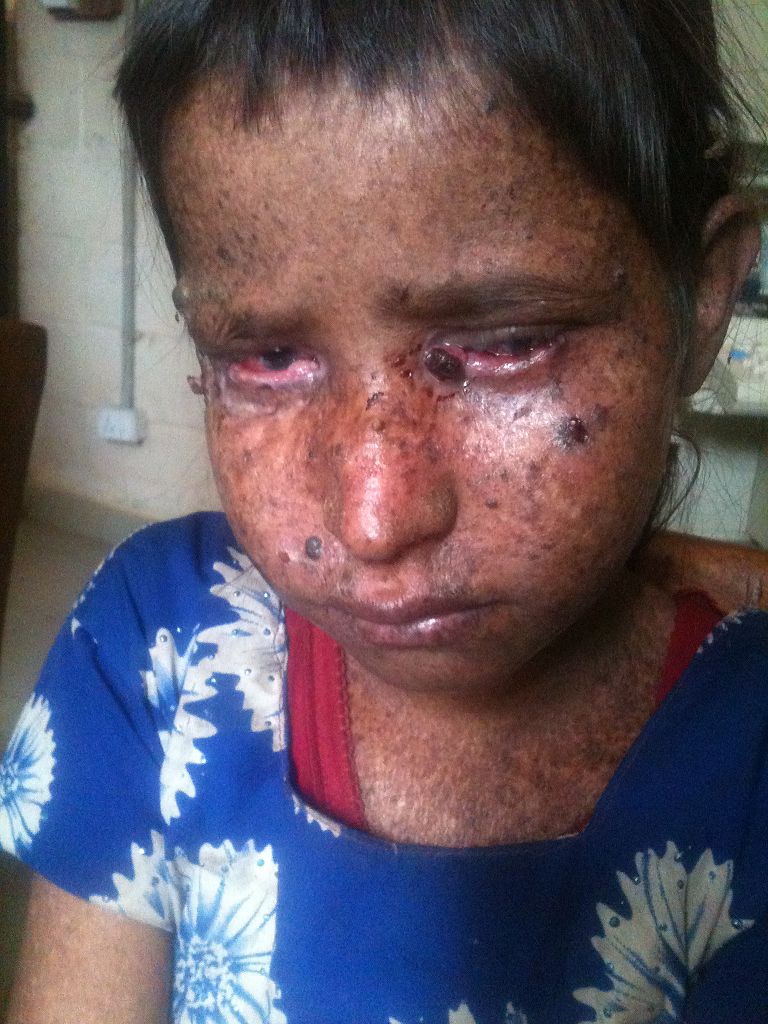
Xeroderma pigmentosa is a fascinating if awful disease. Sufferers are born without the proper cellular machinery to repair UV damage. The upshot of which is that they cannot be in the sun. Ever. Even the tiniest bit of UV light causes severe sunburn and blisters, then freckles and dark growths, and finally countless skin cancers. If caught early and followed by life-altering concessions by the child's family, children can live into their 20s (the oldest can reach their 40s).

These kids live very different lives from their unaffected peers. They must be home-schooled in their windowless home or teleconferenced into a classroom. They can only go outside at night and often convert to a mostly nocturnal lifestyle. To go anywhere, such as a doctor's office, they must be cocooned in a sleeping bag and carried around. None of these precautions are really possible in developing countries and the prognosis is far worse for affected children (see image on the left).

This disease make us remember that we take for granted how marvelously skilled our bodies are at fighting off mutations. By just walking in the sun we expose each of our skin cells to hundreds of mutations every minute. Our cells work tirelessly every moment to let us navigate the unsafe environment we live in, called Earth.